
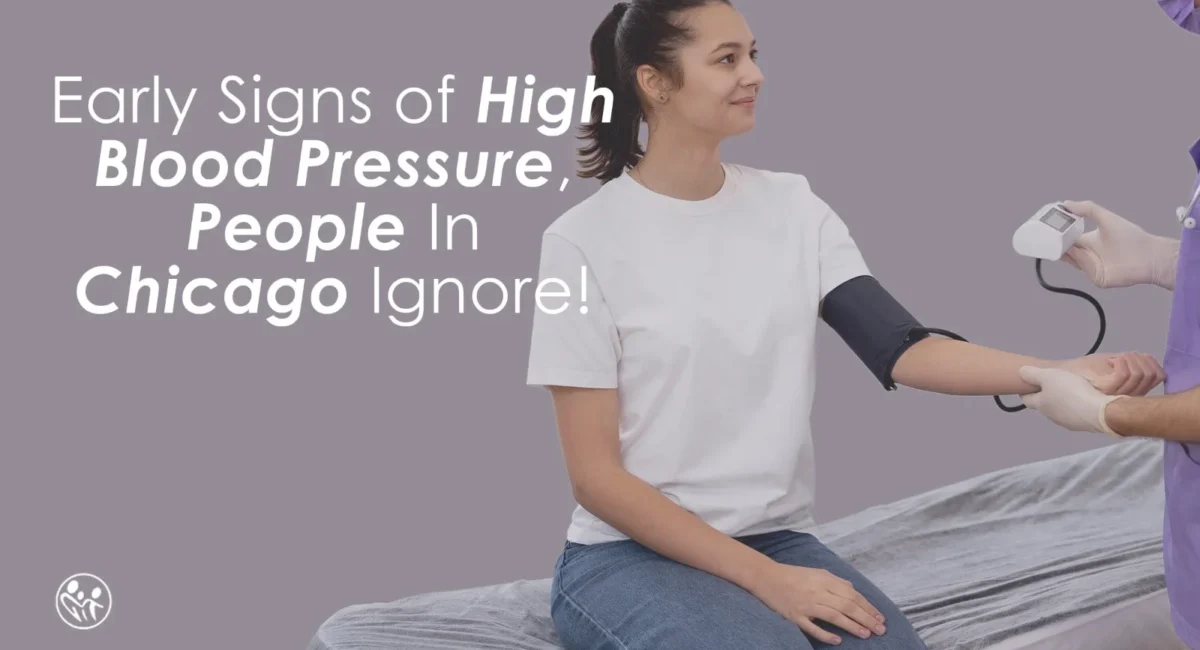
We usually don’t think about blood pressure until a doctor brings it up with something alarming.
High blood pressure or hypertension is a clear route to life-threatening diseases if left untreated.
According to the CDC, nearly half of US adults have high blood pressure, but people don’t realize it until things go south. Especially in cities like Chicago, where long work days, poor sleep, and seasonal stress are part of daily life, those subtle signs are easy to ignore.
Hence, paying attention to them early can help you take action before they start interfering with vital body functions like the heart, brain, and kidneys.
Treatment For High Blood Pressure at Urgent Care
In this article, we will discuss obvious hints of hypertension that often go unnoticed for early management and medical support.
Table of Contents
ToggleHigh Blood Pressure Early Warning Signs
According to the American Heart Association, blood pressure is a silent killer, as it has no symptoms. The only way to know is by checking the blood pressure. However, some signs show up when the reading goes too high, which are as follows.
Headache
Headache due to hypertension occurs when high blood pressure reaches 180/120 or higher, usually termed as a hypertensive crisis. It is usually felt at the back of the head, the upper neck, or around the temples, and gets worse in the morning. You may experience a sharp or throbbing sensation as the blood vessels in the brain are pushed beyond the pressure they can safely handle.
People usually mistake it for dehydration, long screen times, and other general forms of headaches. However, when the pressure feels heavier or becomes consistent without a clear reason, it’s the most probable sign that blood pressure is placing extra strain on your blood vessels.
Checking your blood pressure can remove the confusion and give you clarity.
Shortness of Breath During Normal Activity
Another sign of hypertension that happens sometimes is difficulty breathing, especially when you experience it during everyday chores rather than intense workouts. It could seem to appear while climbing up stairs, carrying groceries, and going about your day at a usual pace.
Many people assume that a lack of fitness and weight gain are the real causes behind it. However, your heart has to work hard to pump blood when the blood pressure rises. This disturbs the oxygen distribution and leads to a state of breathlessness.
When everyday or low energy work simply starts exhausting you, it’s better to go for a simple blood pressure check. It helps you know clearly whether hypertension is the reason behind it or not.
Chest Tightness During Stressful Moments
Sometimes, during high-stress moments like tense conversations, tight deadlines, or mentally draining days, one can experience chest tightness. More often, people ignore it as anxiety or emotional triggers. This is because it fades once that stress phase passes.
While in reality, high blood pressure puts extra pressure on blood vessels, making them sensitive during high stress conditions. This leads to physical symptoms like chest pain. If it persists during stressful episodes for longer, it’s better to get checked instead of taking it as a usual sign.
Blurry Vision or Eye Strain
It is normal to have blurry sight or eyestrain after constantly staring at screens on long workdays. You might not see the words or images clearly, or your eyes may feel heavy and tired, and you take it as normal fatigue.
But it also happens due to high blood pressure that affects the blood vessels in the retina of the eye. As a result, you may experience eye disease known as hypertensive retinopathy.
If you experience frequent headaches and vision problems without any apparent reason, it may be an indication of elevated blood levels.
Checking it early could help you avoid more serious eye or blood flow issues later on.
Unusual Fatigue Despite Adequate Sleep
If you feel constantly tired after a proper whole night’s sleep, your energy levels decline, and even simple tasks take forever to complete, it might be an early sign of hypertension.
Mostly, we blame that sluggish feeling on seasonal changes, tiring schedules, and burnout, especially in Chicago’s fast-moving life.
However, if fatigue persists or returns frequently without an obvious reason, it usually means that your heart is working harder to circulate blood.
Symptoms That Appear More in Cold or Stressful Chicago Seasons
High blood pressure is not easily noticed in everyday life, but certain seasons in Chicago can make symptoms more evident. During the winter months, blood vessels naturally compress. It can raise blood pressure levels even in people who are healthy otherwise.
Other seasonal factors that can affect BP include:
- Eating heavy, sodium-rich foods on holidays can increase blood pressure.
- Cold weather and shorter days when physical activity comes to a halt as people prefer to stay indoors.
- High-stress months of travelling, overhauling deadlines, and winter blues can all lead to the cause.
These often lead to higher blood pressure readings between November and March. This makes it important to monitor symptoms closely during this period.
When High Blood Pressure Becomes an Urgent Concern
High blood pressure doesn’t always make itself obvious, but there are moments when it shouldn’t be ignored. If your readings keep going above 130/80 mmHg, and you’re also noticing any of the above signs, it’s time to consider a medical follow up.
For reference, a normal blood pressure reading is 120/80 mmHg or lower. If your numbers are running high but symptoms are mild or stable, a primary care visit is usually enough. But if symptoms get suddenly intense or keep getting worse, it’s better not to wait it out and get checked sooner.
Simple Prevention Strategies That Actually Fit City Life
If you want to prevent blood pressure from rising too high, you just have to make small, realistic changes that are as follows.
- Many city meals have high salt concentration, which can quietly raise blood pressure. Choosing lower-sodium options or asking for sauces on the side can help instead of completely leaving your favorite foods.
- Taking short walks between meetings, using stairs instead of elevators, or taking a quick round around the block during lunchtime can counter long hours of sitting.
- Practicing deep breathing or short mindfulness exercises when you are in traffic can reduce the blood pressure spikes that happen every day.
- Going to bed and waking up at similar times daily supports heart health and helps keep blood pressure steady.
- Checking blood pressure regularly, sometimes twice a day, and never discontinuing medication without a doctor’s advice.
These not-so-difficult strategies on the go can make prevention easy without overwhelming you.
FAQs
1. What are the earliest signs of high blood pressure?
If you experience headaches, blurred vision, chest tightness under stressful situations, and persistent fatigue, chances are that you may have high blood pressure. People mostly ignore these signs or consider them normal.
2. Can you have high blood pressure without symptoms?
Yes. High blood pressure has no clear symptoms until it reaches advanced levels, making it a silent killer. This is why even if you feel well, regular screening is important.
3. How often should adults in Chicago check their blood pressure?
Adults should check their blood pressure levels at least once a year. If you are over 40, dealing with chronic stress, or have a family history, it’s ideal to check your levels every 3–6 months or at home weekly.
4. When should I see a doctor for high blood pressure symptoms?
If you have blood pressure above 130/80 mmHg and symptoms such as dizziness, headache, or fatigue, you should seek medical evaluation, especially if these symptoms don’t improve for more than 2 weeks.
Conclusion
All in all, high blood pressure starts appearing quietly as the symptoms blend naturally into our daily lives. However, ignoring them can lead to serious complications, including stroke, heart disease, and kidney problems over time.
Hence, regular screenings and health check-ups help you detect elevated blood levels before they get worse. Checking your blood pressure regularly makes it far easier to manage. You may start with lifestyle changes to adjust the rate.
If the condition doesn’t improve, visit Family Urgent Care Chicago for ultimate relief. We have a staff of seasoned specialists who assess your symptoms and give you the right level of care almost instantly.