
Get Professional Care for Open Wounds or Scrapes at Our Walk-In Clinic
We know how one distracted moment with a kitchen knife can make your finger bleed, or a tumble on a sidewalk can leave your child with a scraped knee.
The cuts and scrapes seem like no big deal to many people as they cure them at home, but sometimes a wound becomes infected if not treated properly.
At Family Urgent Care, we provide urgent care for infected cuts to minimize the risk of infection. We have a team of experts who assess the extent of injury, provide proper wound care, and give tips for prompt healing.
You can visit our walk-in clinic for cuts in Chicago and Indiana or simply book an appointment as per your convenience.
What is the Difference Between Abrasions and Lacerations
| Abrasion | Laceration |
|---|---|
| Scrapes the skin | Cuts or tears the skin |
| Usually caused by friction | Often caused by sharp objects or accidents |
| Affects the outer skin layers | Can extend into deeper tissues |
| Often needs cleaning and dressing | May require stitches or other closure techniques |
| Usually causes minor bleeding | May cause significant bleeding |
How to Tell If a Scrape or Cut Is Infected?
You should keep a close eye on your wound, as there is a chance of getting an infection. If you notice any of the following symptoms, you should visit Family Urgent Care right away.
- Redness, swelling, or pain around the cut or scrape
- Pus formation or any green, yellow, or cloudy discharge coming from the wound.
- You observe red streaks extending from the wound.
- You experience fever (above 100 ° F), chills, or body aches.
Why Choose Family Urgent Care for Wounds and Injuries
Looking for reliable support for proper wound care? Let’s see how we stand out from the rest.
Same-Day Evaluation
When your skin takes an unexpected hit, don’t put care on tomorrow’s to-do list. At our walk-in clinic in Chicago and Indiana, you can get same-day urgent care for deep cuts and minor injuries without the hassle of booking an appointment.
Prompt Care
A painful cut shouldn’t have to put your plans on hold. At Family Urgent Care, we provide quick evaluation and treatment for cuts and scrapes and hand you clear aftercare instructions so you can get on with your day with one less thing to worry about.
Experienced Providers
From wound cleaning and dressing to stitches when appropriate, we help you take the guesswork out of wound care. Whether you have a minor scrape or a deeper cut, our experienced providers check for signs of infection, foreign objects, or deeper tissue damage so you know what your wound needs to heal safely.
Convenience
Looking for immediate care for cuts and open wounds without adding an exhausting long travel to your schedule? We have got you covered. With our multiple locations across Chicago and Indiana, we make wound care easier to access when an unexpected injury occurs on the go.
How to Prevent a Cut or Scrape from Getting Infected
Ending up with an infected wound can feel like being in a bed of thorns! The pain and discomfort can become unbearable for some people. If you have a cut or scrape, you can take the following measures for proper healing.
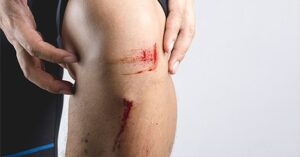
- Wash hands properly before touching the wound.
- Apply gentle pressure for 5 to 10 minutes with the help of a clean cloth to stop bleeding.
- Clean the wound with running water and then apply antibiotic ointment.
- Cover the wound with the help of gauze. Minor scrapes or cuts don’t require any kind of bandage.
- Follow the instructions the doctor has given, which might include taking any prescribed medications or dressing the wound properly.
- Plucking the scab (the crust on top) is a big mistake, so do not take it out once the wound has dried.
When to Visit Urgent Care for a Cut or Scrape
You can visit our clinic in Illinois or Indiana if you or your child has a cut or scrape in the following situations.
- Received initial first aid for cuts and scrapes at home, and it is still bleeding.
- Wounds need cleaning, dressing, or stitches.
- Fever and chills, along with other signs of infection.
- Redness, swelling, pain, warmth, pus, or any drainage from the affected side.
- Underlying layers like fatty tissue or muscle are visible from the wound.
- A puncture-type wound caused by a dusty, rusty object or by a fall on the road.
- The wound is jagged and has uneven edges.
- Animal or insect bite.
- Unsure of your last tetanus booster.
Don’t delay seeking help for yourself or your child if you suffer from any of the above signs. Visit Family Urgent Care any day by directly walking in or scheduling an appointment for quick medical attention from our medical experts.
When is the ER the Suitable Option?
You must visit the ER in case of.
- Uncontrolled bleeding even after applying pressure for several minutes.
- A very deep or large wound exposing bone or covering a significant area of the body.
- Numbness or complete loss of function near the wound
- Signs of shock, such as fainting, confusion, or severe weakness
- Cuts from severe accidents or falls.
How Family Urgent Care Treats Cuts and Scrapes
When you visit Family Urgent Care for a cut or scrape, you can expect the following:
- Immediate Medical Attention: Our trained medical staff checks the wound to assess the severity of the cut or scrape. Meanwhile, they will take a relevant history and also ask other necessary questions to find out whether you have any other medical conditions.
- Cleaning the Wound: When your wound is exposed to the atmosphere, many germs can enter it. Therefore, the provider removes any dirt or debris that might have entered the wound.
- Treatment and Care: Depending upon the nature and severity of the wound, the healthcare provider might apply antiseptic ointment or give you a local anesthetic or antibiotic.
- Prescribing Medicines: The health provider might also prescribe pain relief medication in addition to antibiotics if deemed necessary. This is done after reviewing your detailed medical and medication history if you’re taking any.
You can also book a follow-up telehealth or video appointment if you or your child experiences any unusual symptoms (like redness, itching, or swelling in a wound) at home and discuss them online with your provider.
FAQs
Yes, Family urgent care treat an ingrown toenail, especially if it is painful, swollen, or showing signs of infection. Depending on its severity, a provider may numb the toe and remove the part of the nail causing the problem. Severe or recurring cases may require treatment by a podiatrist.
Urgent care can clean and assess a cut, control bleeding, and determine whether you need stitches or other wound closure. A provider may also check for infection, foreign objects, or damage to underlying tissue and recommend a tetanus shot if needed.
Yes, many urgent care clinics can provide stitches for cuts that are deep, gaping, or unlikely to heal properly on their own. The provider will first assess the wound to determine whether stitches are appropriate and whether emergency care is needed instead.
Apply firm, steady pressure to the cut with clean gauze or cloth for several minutes without repeatedly lifting it to check. If blood soaks through, add another layer rather than removing the first one. Seek urgent medical care if the bleeding is heavy or does not stop with continuous pressure.
A cut may need stitches if it is widely open, has separated edges, exposes deeper tissue, or continues bleeding after applying firm pressure. Cuts on the face or areas where the wound may affect movement may also need prompt medical evaluation. When you're unsure, having the wound assessed by a healthcare professional is the safest approach.
Common signs of an infected wound include increasing redness, warmth, swelling, pain, pus or other drainage, and skin that becomes increasingly tender around the wound. Fever or red streaks spreading from the wound can indicate a more serious infection and require prompt medical attention.
A minor cut can sometimes be left uncovered once it has stopped bleeding and is clean, particularly if it is unlikely to become dirty or irritated. However, keeping a clean, moist wound covered with a bandage can protect it from bacteria and friction while it heals. Change the dressing regularly and keep the wound clean.
A minor cut or scrape often begins healing within a few days and may heal completely within 1–2 weeks, depending on its size and depth. Deeper wounds can take longer to heal, especially if they become infected or occur in someone with conditions that slow healing. If a wound is not improving or appears to be getting worse, seek medical care.
Deep lacerations may need stitches or other wound closure. Urgent care may be appropriate if bleeding is controlled. However, go to the ER for heavy bleeding, severe tissue damage, numbness, and loss of function in the affected area.