
Get Your Little One Same-Day Relief for Hand-Footh Mouth
Your little one is fussy, feverish, and struggling to eat or drink because painful mouth sores make every sip a challenge. Add the itchy spots and blisters on their hands and feet, and an already tough day can quickly become a stressful one for you too.
Hand-Foot Mouth disease is a common viral infection in young children, which gets better on its own. However, seeking medical attention helps your child get relief from symptoms.
At Family Urgent Care, we help with Hand Foot and Mouth in babies to make them feel comfortable. Our experienced providers quickly diagnose HFMD in kids and provide supportive care for faster recovery.
What is Hand Foot and Mouth Disease?
Hand Foot and Mouth disease (HFMD) is a highly contagious viral illness, most commonly caused by the coxsackievirus. 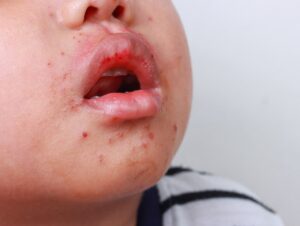
It primarily affects young children, especially during the summer and fall seasons.
After exposure, symptoms usually appear within 3 to 6 days, though it may take 2 to 14 days. This is known as the incubation period.
Common Symptoms of HFMD
If your child has HFMD, you might notice the following concerning symptoms:
- Fever (usually between 101°F or 102°F for the first few days)
- Painful blister-like lesions inside the mouth (gums, tongue, and inner lips)
- Small, oval or white blisters on the palms and soles
- Sore throat
- Runny nose
- Fatigue
- Loss of appetite
Many children become fussy, refuse to eat or drink, and may drool more than usual due to the pain from mouth sores.
At Family Urgent Care, our healthcare providers can examine your child, offer fast relief through appropriate medications, and guide you on home care tips to speed up recovery.
What Causes HMFD in Young Children?
HFMD is usually caused by enterovirus, with coxsackievirus A16 being the most common source.
Other viruses, such as coxsackievirus A6 and enterovirus 71, can also lead to hand, foot, and mouth disease.
This illness is highly contagious and spreads through contact with an infected person through
- Saliva or nasal secretions (from sneezing, coughing, or nose wiping)
- Stool (for example, during diaper changes)
- Blister fluid or skin contact
- Shared cups, utensils, or toys
- Contaminated surfaces (like doorknobs, play mats, or classroom supplies)
Children are especially at risk in daycare settings or schools, where germs spread easily through close contact.
Why Choose Family Urgent Care for HFMD?
Same-Day Care
When your child stops eating or drinking because of HFMD blisters or painful mouth sores, you don’t have to wait days for an appointment. Get their symptoms checked the same day and leave with a clearer idea of what’s going on and what to do next.
Pediatric-Friendly Environment
From a friendly hello to a gentler approach, we make medical visits feel less intimidating for young patients. Our team takes the time to build trust while carefully evaluating their symptoms. Because when kids feel at ease, the whole visit feels easier for parents, too.
Accurate diagnosis
A fever, rash, and mouth sores can make it difficult to know whether you’re dealing with HFMD or another childhood illness. We help connect the dots, explain what to expect, and tell you which changes deserve medical attention.
Convenience
Not every case of HFMD calls for an emergency room. With our multiple locations across Chicago and Indiana, you have a convenient option when your child needs prompt evaluation, without turning a stressful sick day into a longer wait time.
How to Prevent HFMD Spread?
A few simple habits can help keep HFMD from making its way through the whole household.
- Wash your hands often with soap and water, especially after changing diapers, trips to the bathroom, coughing, eating, or while preparing food.
- Avoid touching your hands, mouth, and nose frequently with bare hands.
- Disinfect and clean high-touch surfaces like doorknobs, toys, and other shared areas
- Keep your children from school and daycare while they are unwell.
- Avoid close contact with an infected person.
When to Go to Urgent Care for HFMD?
While symptoms typically resolve on their own with mild Hand Foot and Mouth disease, certain situations warrant immediate medical attention. You can visit Family Urgent Care as soon as you come across the following concerns in your child:
- Not drinking fluids normally or has loss of appetite
- Fever lasting for more than 3 days
- Your child has a weakened immune system
- Your child is younger than 6 months
- You notice any symptoms of Hand Foot and Mouth disease such as blisters in the mouth, palms, and soles.
- If the symptoms are severe and not improving within 3 to 10 days
In such cases, Family Urgent Care provides urgent care services with experts offering immediate and definitive care for HFMD. We offer walk-in consultations and even online/telehealth/video appointments.
How Does Family Urgent Care Treat HFMD?
While there is no specific vaccine or treatment for HFMD, as symptoms typically resolve within 7 to 10 days, we help you in the following ways.
- Clearly explain the symptoms.
- Give over-the-counter pain medications like ibuprofen or acetaminophen.
- Prescribe topical anesthetics to relieve mouth sore pain.
- Provide tips on adequate fluid intake and right food choices.
So, if your child has an HFMD skin rash, blisters, and is wincing with discomfort, visit your nearest Family Urgent Care clinic for prompt evaluation and practical guidance.
We also treat HFMD in adults, so if you have got those pesky sores and rash from your child, we are here to rescue you.
Frequently Asked Questions
Yes. Although Hand Foot and Mouth disease (HFMD) is more common in young children, adults can catch it too. Some adults have mild or no symptoms, while others may develop fever, sore throat, mouth sores, or a rash on the hands and feet.
Yes. You can get Hand Foot and Mouth disease more than once. Different viruses can cause HFMD, and infection with one type does not necessarily protect you from others.
Hand Foot and Mouth disease is caused by viruses called enteroviruses, most commonly coxsackieviruses. It spreads easily through close contact, respiratory droplets, saliva, and contact with stool or contaminated surfaces.
Not necessarily. Parents generally do not need to stay home simply because their child has HFMD. However, if a parent develops symptoms, they should avoid close contact with others when possible and follow their workplace or school illness policies.
The first signs of HFMD often include fever, sore throat, reduced appetite, and feeling tired or irritable. Painful mouth sores and a rash or small blisters on the hands and feet may appear afterward.
Yes. You can bathe your child with Hand Foot and Mouth disease. Use lukewarm water and avoid hot water, harsh soaps, or scrubbing areas with blisters, as these may irritate the skin.
HFMD can start improving within a few days, but it usually takes longer than three days to fully clear. Most children recover within 7 to 10 days with rest, fluids, and supportive care.
HFMD typically begins with early symptoms such as fever, sore throat, and reduced appetite. Mouth sores, HFM rash on face, or blisters may then develop, followed by gradual improvement as the illness resolves. Not every child experiences every symptom or stage.