
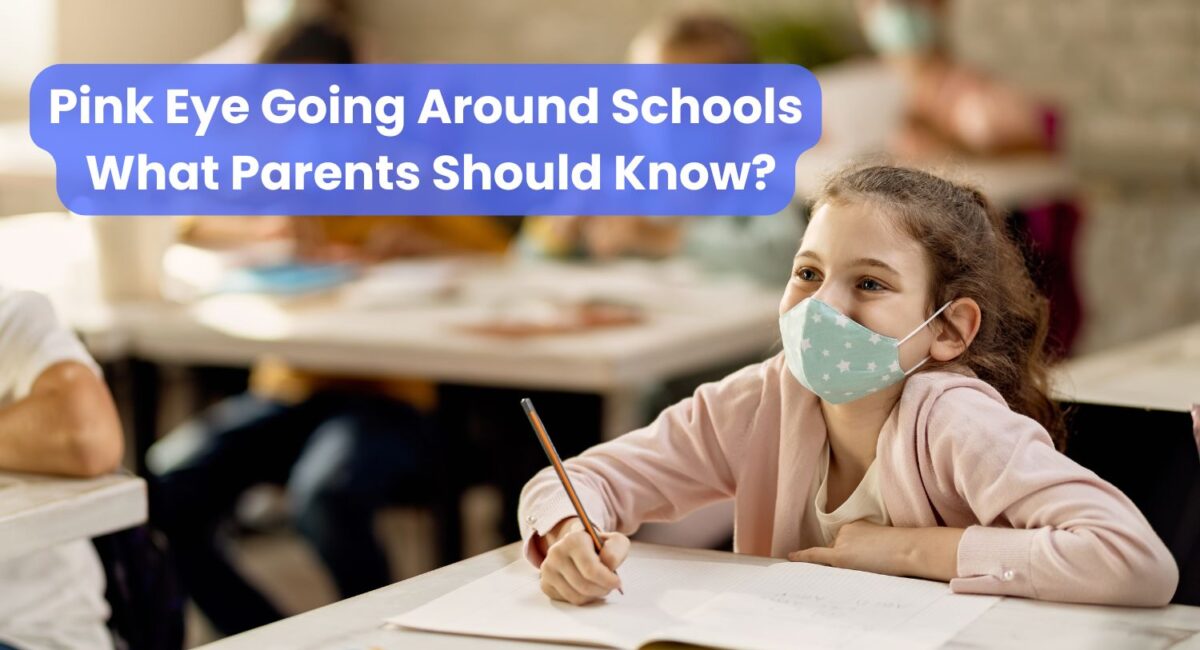
It starts with one child who found rubbing his eyes during group activities. By the end of the week, half the class is blinking through redness and watery discharge.
When pink eye starts making its rounds in schools, it spreads fast and passes along through shared stationery, high fives, and not-so-perfect handwashing habits among children. As a parent, it is quite difficult to manage yet another seasonal surprise amidst the ongoing cold and flu wave.
While the condition feels alarming, not all pink eye have the same cause. Some need antibiotics while some get better on their own. Knowing what actually is behind the redness, how it spreads, and when you should avoid sending your kid to school can help protect your loved ones and other students at school.
Get Expert Care Treatment for Pink Eye In Chicago & Schereville.
Here’s what you, as a parent, should know about pink eye.
Table of Contents
ToggleWhat is Pink Eye?
Pink eye (commonly known as conjunctivitis) is an inflammation of the conjunctiva. It is a thin, clear layer that surrounds the white part of the eye and the inside of the eyelids. When this membrane becomes irritated, your eye appears pink or red.
Types of Pink Eye
Not every red eye is caused by the same trigger. Understanding the type of pink eye your child may have can help you respond appropriately and avoid unnecessary treatment.
Viral Pink Eye
Viral pink eye is the most common type seen in schools. It’s caused by the same viruses responsible for the common cold, which is why it often appears alongside symptoms like a runny nose, sore throat, or mild cough.
This form is highly contagious. It spreads easily through respiratory droplets, shared surfaces, or contaminated hands. The discharge is usually watery rather than thick, and both eyes may become red within a day or two. Because it’s viral, antibiotics won’t help, and it typically clears on its own with supportive care.
Bacterial Pink Eye
Bacterial pink eye is less common than viral pink eye, but it is still frequently seen in classrooms. It’s often marked by thick yellow or green discharge that can cause the eyelids to stick together, especially after sleep.
Unlike viral pink eye, bacterial conjunctivitis may require prescription antibiotic eye drops. Treatment can shorten the duration of symptoms and reduce the risk of spreading it to others. With appropriate care, many children improve within a few days.
Allergic Pink Eye
Allergic pink eye isn’t caused by germs at all. Instead, it’s triggered by allergens like pollen, dust, or pet dander. It typically affects both eyes and is characterized by intense itching, redness, and watery discharge.
The good news? Allergic pink eye is not contagious. It won’t spread through the classroom. Managing exposure to triggers and using antihistamines or allergy drops can help control symptoms.
Why Is Pink Eye Spreading in Schools Right Now?
When pink starts to spread, it never happens in isolation. Unfortunately, schools naturally become the perfect place for germs to pass from one student to another. For instance,
- Close contact among children in the classroom is the major cause. Children sit side by side, play with each other, and line up together. Junior groups in schools are especially more likely to rub their eyes and then touch the common surfaces and other classmates quite often. This creates a chain of contact that allows the infection to move through the entire class, no matter if it is viral or bacterial.
- Shared objects and poor hand hygiene also contribute. During circle time, pencils, books, paints, and other sports materials pass through many hands almost every day. Even if you follow all the cleaning instructions, only one with symptoms like watery eyes can easily pass it on through frequent eye rubbing and touching other things. Also, even if many schools pay most attention to proper hand washing, children don’t wash their hands properly, which further adds to the cause.
- Viral pink eye is usually caused by the same virus that is responsible for respiratory infections. That’s why the wave usually arises during cold and flu season. So when children are already going through coughs and runny noses, it is not unusual to see red and watery eyes show up later.
Signs and Symptoms Parents Should Watch For
While pink eye starts small, pink eye symptoms become visible within a day or two. You can watch for the following signs in your children.
- Redness in both eyes, and they appear bloodshot.
- Thick eye discharge that seems clear for viral infections, while yellow or green for bacterial infections.
- Eyelids or eyelashes stick together, especially after sleep.
- Itching, gritty, or burning sensation in the eye.
- Sensitivity to light
- Swollen or puffy eyelids.
- Blurred vision that is mild and clears with blinking
- An infected person feels like something is stuck in the eye.
Symptoms may appear in one eye first and then affect the other, especially if they occur due to a virus or bacteria. It’s better to consult a pediatrician in case of ongoing discomfort along with cold, fever, and other signs to know the actual cause.
What Should Parents Do If Their Child Has Pink Eye?
If you think your child has pink eye, don’t panic. A few simple steps can help them feel better and stop it from spreading.
- Keep your child home (if it’s contagious): If there’s a lot of redness or discharge, it’s best to keep them home for a short time. Ask your doctor when it’s okay to send them back.
- Call your pediatrician: Most cases are mild, but it helps to know if it’s viral, bacterial, or allergy-related. Get urgent care if there’s severe pain, redness, fever, or vision changes.
- Don’t share towels or pillows: Give your child their own towel and pillowcase during the period of illness. Wash them well after use
- Wash your hands often: Remind your child to wash their hands and avoid rubbing their eyes. This makes a big difference.
- Clean common surfaces: Wipe down things like doorknobs, remotes, and bathroom counters daily until they are clear.
Pink eye usually gets better within a few days to a week. With basic care and good hygiene, most kids recover well without any problem.
Common Myths About Pink Eye
When pink eye spreads through schools, myths often follow. Here’s what parents should know.
- “All pink eye needs antibiotics.”Most school-related cases are viral and clear on their own. Antibiotics only help if the infection is bacterial.
- “You must stay home for a full week.” Not always. Many children can return once symptoms improve or after 24 hours of starting prescribed treatment, depending on school policy.
- “Only kids get pink eye.”: Adults can catch it too, especially from infected children at home. It’s contagious, not age-specific.
Conclusion
Pink eye is a common condition and easily manageable with simple home care. While some cases are contagious, they usually resolve on their own, or you can take antibiotic drops to treat them well if the illness occurs due to bacteria.
Knowing the cause early helps you take action beforehand and reduce the spread both in your family and your child’s school. Simple habits like consistent handwashing, avoiding eye rubbing, and staying home until symptoms improve work effectively to protect your kid and others.
If the symptoms get worse or unusual, visit your nearest family urgent care clinic in Chicago for effective care. We have experienced doctors who know how to treat every major or minor illness your child might be going through.