
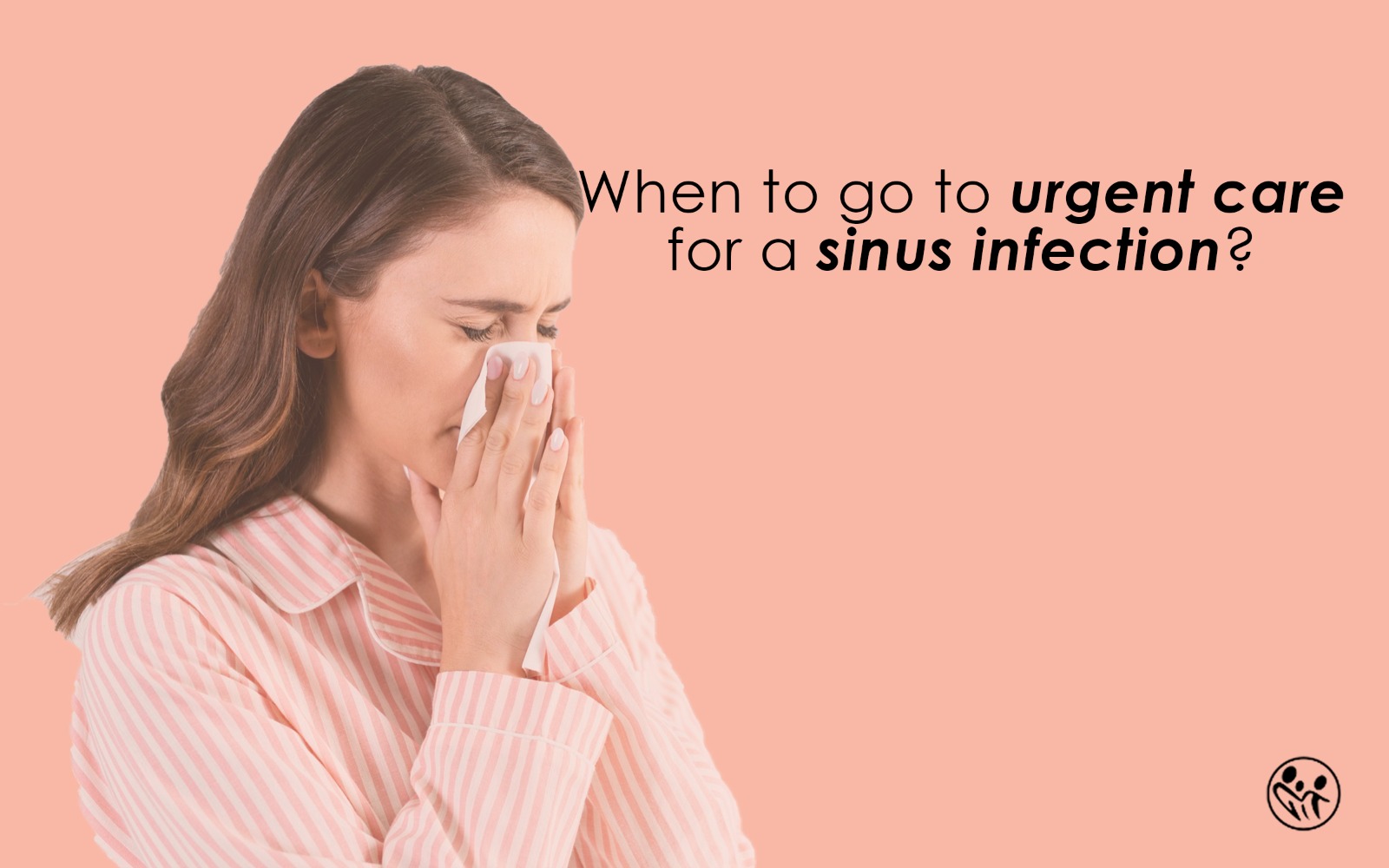
Imagine waking up with a blocked nose and mild pressure around your face. At first, it feels like a simple cold, nothing serious.
You try home remedies like steam, drinking warm fluids, and getting plenty of rest, hoping it will go away on its own.
But after a few days, instead of getting better, your face feels sore and heavy, and headaches begin to make it harder to focus on your daily tasks.
At this point, it can feel confusing; you’re not sure whether to keep waiting it out or seek medical help.
Rather than delaying, this is a good time to visit urgent care, where you can receive prompt treatment to ease symptoms and prevent the infection from worsening.
What Causes Sinus Infections
Sinus infections happen when the small openings in your sinuses become blocked, leading to mucus buildup and creating an environment where germs can grow.
Causes of sinus infections include:
- Viral infections (common cold)
- Bacterial infections
- Allergies (allergic rhinitis)
- Weakened immune system
- Respiratory tract infections
- Exposure to pollutants or smoke
- Changes in air pressure (flying, diving)
Understanding these causes can help you manage symptoms early and prevent further complications.
Common Symptoms of a Sinus Infection
A sinus infection occurs when the cavities around the nasal passages become inflamed and swollen, causing discomfort and affecting daily life.
Common symptoms of a sinus infection include:
- Fever
- Cough
- Headache
- Sore throat
- Postnasal drip
- Reduced or loss of smell
- Ear pressure or fullness
By recognizing these symptoms early, you can identify the condition quickly and seek appropriate care before it becomes too severe.
Can You Treat a Sinus Infection at Home?
Yes, mild sinus infections can often be treated at home; in most cases, symptoms improve within a week without medical treatment.
At home, you can relieve discomfort, reduce inflammation, and help your sinuses drain properly through the following approaches.
- Inhaling steam
- Getting adequate rest
- Using a saline nasal spray
- Drinking water regularly to help thin mucus
Pain-relieving medicines can help in reducing facial pressure and headaches, and decongestants can provideshort-term relief from a blocked nose.
However, home care is only suitable for mild symptoms. If your condition doesn’t improve after a few days, contact your healthcare provider for immediate medical care.
Signs That Your Condition Is Getting Worse
When a sinus infection worsens, the symptoms become more intense and uncomfortable.
In fact, what starts as mild congestion or pressure can quickly turn into pain that affects your daily life.
Warning signs your condition is worsening:
- High fever
- Severe headache
- Ear pain or pressure
- Swelling around the eyes or face
- Thick yellow or green nasal discharge
- Difficulty breathing through the nose
- Tooth pain (especially upper teeth)
- Vision changes (blurred or double vision)
Recognizing these warning signs early can help you know when to seek medical care and avoid complications.
When to Go to Urgent Care for a Sinus Infection
If your sinus symptoms are not improving or are getting worse, it may be time to visit urgent care center.
Symptoms lasting more than 10 days without improvement can indicate a bacterial infection that needs medical treatment.
Another warning sign is when you start to feel better but then suddenly get worse again. This pattern, known as “double sickening,” often indicates the infection is worsening.
You should also seek urgent care if you have a high fever (101.5–102°F or higher), severe facial pain, or pressure that does not improve with medication.
Swelling around the eyes, thick yellow or green nasal discharge, or recurring infections are also signs that you need proper medical care.
When to Seek Emergency Care for Severe Sinus Symptoms
In some cases, sinus infections can become serious enough to require emergency care instead of a walk-in clinic. In such situations, you should seek immediate medical attention.
A severe headache that does not go away or a stiff neck may indicate the infection is spreading beyond the sinuses.
Additional symptoms, such as persistent vomiting and difficulty breathing, are also severe signs of a sinus infection.
Untreated sinus infections may lead to rare serious health problems, including damage to the eyes or brain, so these symptoms should not be taken lightly.
Emergency care provides a quick evaluation for patients, imaging if necessary, and prompt medical treatment for their condition.
Effective Treatment Options for Sinus Infections
Treatment options for sinus infections are designed to relieve symptoms, reduce inflammation, and help your body fight the infection.
- Effective treatment options include:
- Nasal decongestant sprays
- Oral decongestants
- Saline nasal spray or irrigation
- Warm compress on face
- Antibiotics (for bacterial infections)
- Nasal corticosteroid sprays
- Avoiding irritants (smoke, dust)
- Immunotherapy (for chronic allergy-related cases)
If your symptoms continue or worsen despite treatment, don’t wait. Visit Family Urgent Care for fast, reliable care. Book your appointment today and start feeling better.
FAQs
How do I know if my sinus infection requires urgent care?
You should visit an urgent care clinic if your symptoms last longer than 8–10 days, become severe, or suddenly worsen after you’ve been getting better for some time. High fever, intense facial pain, or swelling around the eyes are also signs you shouldn’t ignore.
Can a sinus infection go away without medical treatment?
Yes, many mild sinus infections caused by viruses can get better on their own within 7–10 days. Rest, hydration, and over-the-counter medications can help manage symptoms during recovery.
What symptoms indicate a serious sinus infection?
Severe symptoms include a high fever (over 102°F), persistent headache, vision changes, confusion, or severe facial pain. These may require immediate medical attention.
Will urgent care prescribe antibiotics for a sinus infection?
Antibiotics may be prescribed if the infection is bacterial, especially if symptoms persist for more than 10 days or worsen over time. Viral infections, however, do not require antibiotics.
How long should I wait before seeking urgent care for sinus symptoms?
If symptoms persist beyond 7–10 days, worsen rather than improve, or are accompanied by severe pain or fever, it’s best to seek urgent care immediately.