
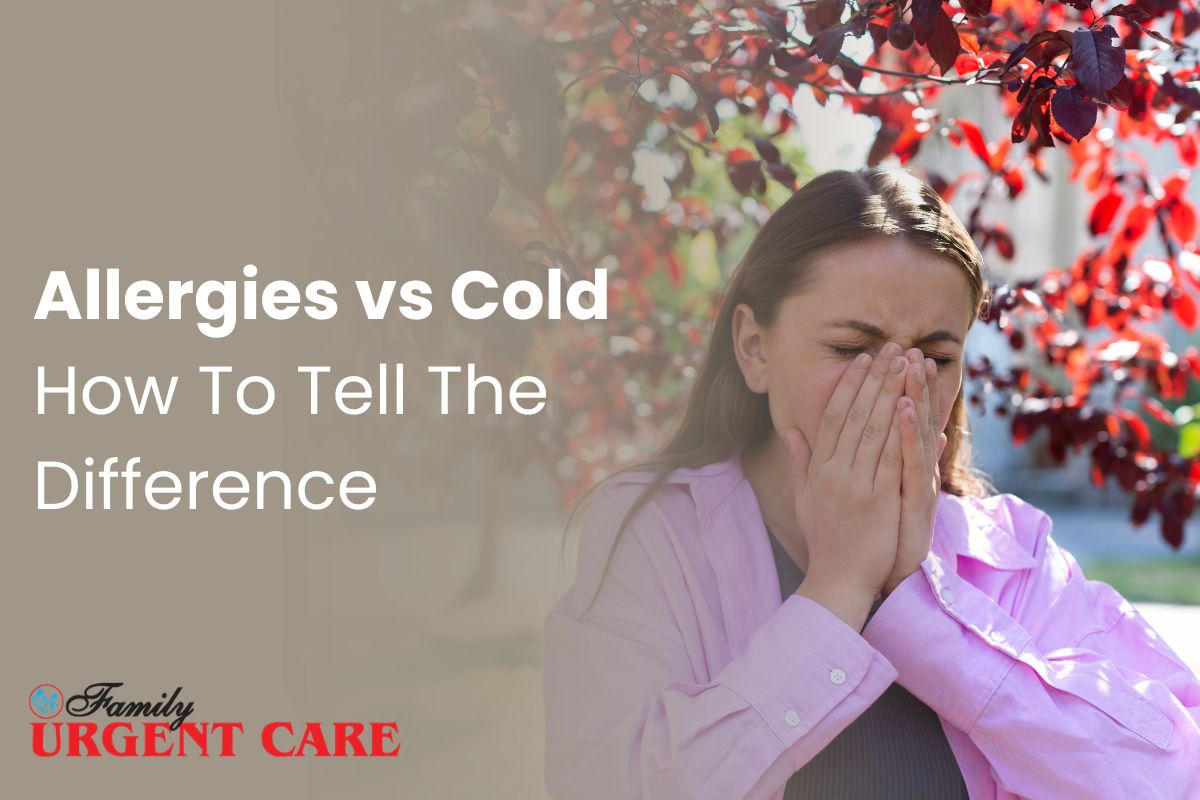
As the spring arrives, a scratchy throat, those on-and-off sniffles and the constant congestion become your unwelcomed companions. Things get worse when you can’t tell whether that run-down feeling is due to a cold or seasonal allergies.
It’s one of the most common seasonal confusions. As pollen levels rise, allergy symptoms can look almost identical to a cold, making it hard to tell what’s actually going on.
As Dr. Asrar Sheikh explains,
“Many patients assume every runny nose is a cold, especially when a cough is involved. But in spring, allergies are often the hidden culprit and treating them like a viral infection only delays real relief.”
Fortunately, there are a few clear signs that can help you identify the cause and take the right steps to feel better.
Spring Allergy vs Cold
The easiest way to identify if it’s an allergy or a cold is by looking at what’s causing your symptoms, how they show up, and how long they last.
Spring allergies happen when your immune system mistakenly assumes triggers like pollen, grass, or mold as a threat, which are otherwise harmless. As a result, your body produces histamines against the allergens that lead to allergy symptoms.
On the other hand, a cold is a respiratory illness, and it is caused by a virus. Since cold is contagious, people catch it through the air or close contact with someone who’s already sick.
Spring Allergy Symptoms vs Cold Symptoms
If you are wondering if it’s cold or an allergy, the following symptoms give a clear picture of both conditions.
With allergies, you’ll usually notice frequent onsets of symptoms like
- Frequent Sneezing
- Itchy eyes, nose, or throat
- A clear, runny nose
- Nasal congestion
- Postnasal drip
A cold feels different. Symptoms tend to build gradually and often include a
- Sore throat
- Fatigue
- Mild fever
- Body aches
- Sneezing
- thick nasal discharge, along with a cough sometimes.
In simple terms, allergies irritate you, while a cold makes you feel sick. Here is the comparison table for both allergy and cold to give a better idea of both conditions.
Spring Allergies vs Common Cold
| Symptom | Spring Allergies | Common Cold |
|---|---|---|
| Fever | Not present | Sometimes present |
| Eyes | Itchy, watery, sometimes red | Rarely affected |
| Mucus | Clear, watery | Thick (yellow/green) |
| Sneezing | Frequent | Occasional |
| Cough | Dry cough (due to post-nasal drip) | Wet or dry, often with mucus |
| Body aches | Not present | Present |
How to Tell the Difference Based on Timings?
The timeline is also a clear indicator. Allergies can last for weeks or even months, especially during spring. You might notice your symptoms flare up at the same time each year or get worse on dry, windy days when pollen is easily carried through the air.
On the other hand, a cold is short-lived. It can happen at any time of the year and is usually linked to recent exposure to someone who is sick. The symptoms build up gradually and improve within 7–10 days as your body recovers.
Can You Have Both? Spring Allergy vs Cold at the Same Time?
Yes, it’s possible to have both allergies and a cold at the same time, especially during seasonal changes when pollen levels are high, and viruses are also spreading. Sometimes, allergies already irritate your nose and throat, making it easier for a cold to develop on top of them.
When this happens, symptoms can feel mixed. You may notice typical allergy signs like itchy eyes and sneezing, along with cold symptoms such as sore throat, fatigue, or thicker mucus.
To identify overlap, look for new symptoms appearing on top of your usual allergy pattern, especially fever, body aches, or increasing tiredness.
When to See a Doctor?
Most allergy and cold symptoms can be managed at home, but some signs shouldn’t be ignored, especially if they persist or start to worsen. For instance,
- Symptoms that last longer than 2–3 weeks without improvement.
- Intense sinus pain or pressure that doesn’t ease.
- High fever or fever that keeps coming back.
- Difficulty breathing or wheezing, especially if you have asthma.
Spring Cold vs Allergies: Treatment Differences
The way you treat allergies and a cold is not the same, because the cause is different.
If it’s allergies, the goal is to calm your body’s reaction to things like pollen. Medicines like antihistamines and nasal sprays can help reduce sneezing and a blocked nose. It also helps to avoid triggers like staying indoors on high pollen days and showering after coming from outside.
In the case of a cold, your body just needs time to fight the virus. Rest and drinking plenty of water are important. You can also use decongestants for a blocked nose, pain relievers for headaches or body aches, and steam inhalation to help you breathe more easily.
Conclusion
Initially, spring allergies and colds look almost similar because the symptoms overlap significantly. But when you look at the pattern of symptoms, like how they behave, how long they last, you get clarity on what your body is dealing with. This approach removes the guesswork and helps you choose the right treatment options to get better.
If you still feel unsure about the triggers or the symptoms just don’t seem to improve, visit Family Urgent Care for a quick diagnosis and the right treatment. Our walk-in clinic in Rogers Park | walk-in clinic in Scherville & walk-in clinic in Logan Square offers same-day visits, so you don’t have to go through the hassle of appointment booking first.