
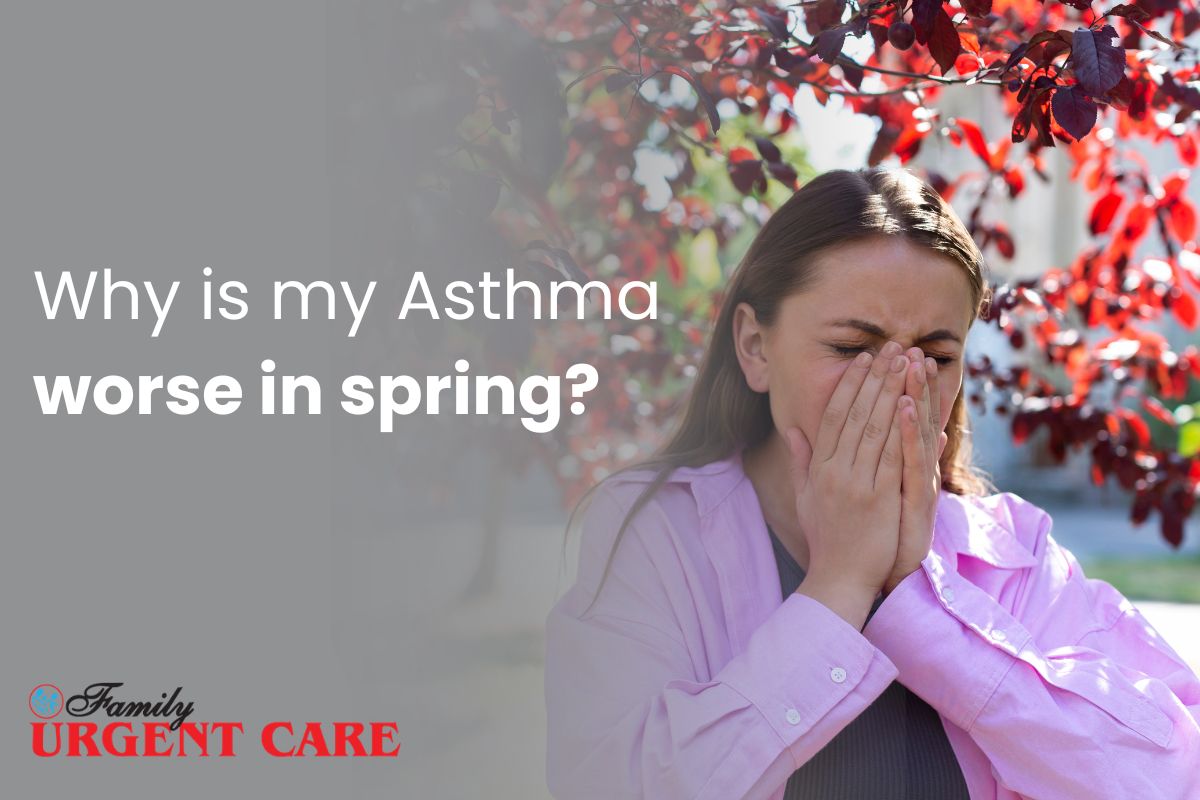
Have you ever stepped outside expecting fresh air at the start of the spring, only to feel your chest tighten and your breathing turn heavy? For many people with asthma, spring brings more discomfort than relief.
This happens because spring creates the perfect storm of triggers that can irritate already sensitive airways. During the start of the season, trees, weeds, and grasses start fertilizing other plants by releasing pollen in the air, which becomes the major cause of asthma flare-ups.
As Dr. Sheikh explains,
“Spring air carries higher levels of allergens like pollen and mold, which can inflame the airways and worsen asthma symptoms.”
However, there are some effective ways you can control the triggers before wheezing and coughing become your new normal.
Common Spring Asthma Triggers
Spring can feel refreshing, but it also brings a surge of airborne triggers that can irritate sensitive airways. For people with asthma, this often means more frequent or intense symptoms. These include.
Pollen
In spring, trees and grasses release pollen into the air, especially on dry, windy days. These tiny particles are easy to inhale and can reach deep into the airways, causing inflammation and tightening. Tree pollen is more common early in the season, while grass pollen becomes a bigger trigger later on.
Mold Spores
Rain and humidity create the perfect conditions for mold growth. It can be found outdoors in soil and leaves, and indoors in damp areas like bathrooms or basements. These mold releases spores into the air, which can irritate sensitive airways and trigger asthma symptoms.
Weather Changes
Spring weather shifts quickly, with cool mornings and warmer afternoons. Cold air can tighten the airways, while warmer air carries more allergens. These sudden changes can make breathing feel more difficult for people with asthma.
Air Pollution
Pollutants like dust, smoke, and chemicals often increase in spring and can combine with pollen. This mix creates a stronger irritant, especially in cities, making symptoms more frequent or intense.
Outdoor Activities
Spending more time outside means greater exposure to triggers like pollen and mold. Activities like exercise or gardening can also increase breathing rate, which allows more irritants to enter the lungs.
Spring Asthma Symptoms to Watch For
Spring asthma symptoms seem subtle at first, which tend to build when your exposure to triggers rises. In order to prevent severe flare-ups, it’s better to keep an eye on early warning signs.
- Wheezing ( when you have that whistling sound while breathing due to blocked airways)
- Shortness of breath
- Chest tightness
- Persistent cough that often gets worse at night or early in the morning.
- Frequent use of a rescue inhaler
Who Is Most at Risk for Spring Asthma Flare-Ups?
Some people are more sensitive to seasonal changes. That’s why they are more prone to asthma flare-ups in spring and need to take preventive steps early. These include.
- People with asthma who are also allergic to pollen.
- Children and young adults.
- A person with poorly controlled asthma.
- Those living in high-pollen regions, such as urban residents.
Effective Steps to Prevent Asthma Flare-Ups
During the asthma-triggering seasons like spring, a few consistent habits can control your asthma flare-ups quite well. Some of them are as follows.
- Smoking or exposure to its particles can quickly irritate airways and also make the asthma medications less effective. Therefore, quitting it or staying away from bonfires, cigarettes, and indoor smoke can stop symptoms from getting worse.
- Using your prescribed inhaler consistently can help ease inflammation. So don’t rely on it for just bad days, as regular use can be really effective.
- Take a shower after coming home during peak pollen days. During these times, the allergens can stick to your skin and hair, which could affect your breathing in the long run if not rinsed properly.
- Strong scents and chemical fumes can act as hidden triggers of asthma. Switching to milder and natural options can make your indoor air feel easier to breathe.
- People with allergic asthma should take OTC medications, decongestants, and nasal sprays to treat allergies that could otherwise lead to flare-ups. Also, allergy shots help reduce sensitivity towards allergens over time, making seasonal symptoms more manageable.
When Should You Seek Urgent Care?
You should consider seeing a doctor if your asthma feels harder to control or starts interfering with daily life. Early medical support can prevent symptoms from escalating.
- Symptoms worsening despite medication.
- Frequent inhaler use.
- Night-time symptoms.
- Severe breathing difficulty that interferes with speaking, walking, or doing tasks.
Conclusion
Not every breath in spring feels as easy as it should, especially when asthma triggers are in the air. But with awareness and a few steady habits, most flare-ups can be kept under control. The key is noticing changes early and responding before symptoms build up. Your environment plays a big role, but so do your daily choices.
If your asthma symptoms are getting harder to manage this spring, you don’t have to wait it out. A quick visit to a Family Urgent Care clinic can help you get the right assessment, adjust your treatment, and breathe easier again.
FAQs
1. In what months is asthma worse?
You can notice asthma gets worse during winter and fall months due to the wave of respiratory infections and cold winds that irritate your airways. But the flare-ups are also high during springs and summers, due to the high pollen counts and indoor allergens.
2. Can allergies make asthma worse?
Yes, allergies are one of the leading causes that trigger symptoms of asthma, like wheezing, coughing, and breathing problems.
3. What is the fastest way to relieve asthma?
The fastest and most effective way to relieve asthma is using a preventive inhaler (quick-relief bronchodilator like albuterol/salbutamol) usually prescribed by a doctor. It works wonders to relax tightened airways in no time and lets you breathe easily. However, if the condition doesn’t improve with an inhaler, visit your nearest urgent care clinic to check if it’s a sign of an asthma attack or not.
