
You wake up with a stuffy nose and a scratchy throat. By the afternoon, you are coughing, feeling tired, and finding it harder to get through your usual routine.
These familiar cold symptoms are often caused by rhinovirus, which is responsible for about half of common cold cases in adults.
Although rhinovirus infections are usually mild, the virus is highly contagious and can spread easily from person to person.
For most people, the infection gets better on its own. However, rhinovirus can be more concerning for infants, older adults, and people with weakened immune systems.
Knowing how rhinovirus affects the body can help you understand your symptoms, how the infection spreads, and when medical care may be needed.
This blog explains what rhinovirus is and what you may experience during an infection.
What Is Rhinovirus?
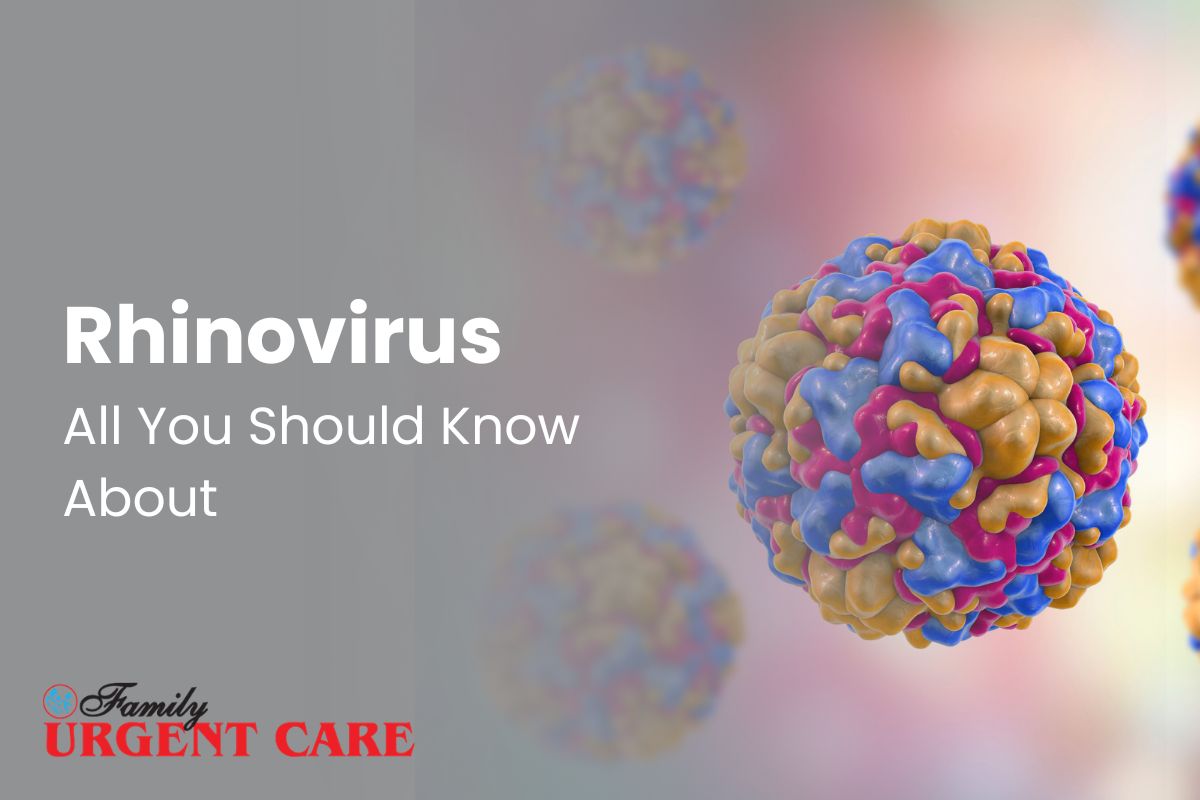
Rhinovirus is a common respiratory virus and a major cause of the common cold. It belongs to the Picornaviridae family and primarily affects the upper respiratory tract, particularly the nasal airways.
There are more than 160 known types of rhinovirus, which are divided into three main groups: rhinovirus A, B, and C.
Once a person becomes infected, rhinovirus enters cells in the respiratory tract and triggers an immune response.
This leads to common cold symptoms such as a runny or stuffy nose, sneezing, a sore throat, and a cough.
Rhinovirus can cause more severe lower-airway symptoms in people with asthma and may worsen existing breathing problems.
What Are the Symptoms of Rhinovirus?
Rhinovirus symptoms are usually mild and mainly affect the nose and throat. Although symptoms are similar to those of the common cold, their severity can vary from person to person.
The most common rhinovirus symptoms include:
- Cough
- Sneezing
- Headache
- Sore throat
- Runny or stuffy nose
- Reduced appetite, particularly in children
Most rhinovirus symptoms improve on their own, although their duration can vary from person to person.
How Long Does a Rhinovirus Infection Last?
Rhinovirus infection symptoms typically improve after 7 to 10 days; however, the length of illness can vary from person to person.
Symptoms are usually worse during the first few days and then gradually improve.
Recovery doesn’t usually happen at the same pace, so certain symptoms may improve earlier than others.
Some symptoms, such as a cough or nasal congestion, may last longer. This gradual recovery is common and does not mean the infection is getting worse.
Research shows that while most rhinovirus-related colds last about a week, some can last up to two weeks.
How Does Rhinovirus Spread?
Rhinovirus can pass from one person to another through respiratory droplets released when an infected person coughs or sneezes.
These droplets can transmit the virus when they reach the nose, mouth, or eyes.
The virus can also spread through direct contact with an infected person or by touching contaminated objects and surfaces. Touching your face afterward can allow the virus to enter your body.
Because rhinovirus can spread through everyday contact, washing your hands regularly and avoiding touching your face with unwashed hands can help reduce the risk of infection.
Can Rhinovirus Lead to Complications?
Although rhinovirus infections are usually mild, they can sometimes lead to complications. The infection may contribute to sinus or middle ear infections, particularly in children.
This can happen when infection-related inflammation affects the sinuses or the middle ear.
Rhinovirus can also trigger asthma flare-ups or worsen existing breathing problems. In people with asthma, the infection may exacerbate airway inflammation and worsen symptoms.
In some cases, rhinovirus can affect the lower respiratory tract and may contribute to conditions such as bronchitis or pneumonia.
The risk of complications may be higher in young children, older adults, and people with weakened immune systems or existing respiratory conditions.
How Is Rhinovirus Managed?
There is no specific rhinovirus treatment that cures the infection. Instead, treatment focuses on easing symptoms and helping you feel more comfortable while your body fights the infection.
Common ways to manage rhinovirus are as follows:
- Get plenty of rest
- Drink enough fluids to stay hydrated
- Try saline nasal sprays or drops for a stuffy nose
- Avoid antibiotics unless a healthcare provider diagnoses a bacterial infection
- Use over-the-counter medicines such as acetaminophen or ibuprofen to help relieve pain or fever
While these measures can help ease symptoms, it is also important to monitor how your condition changes during recovery.
When Should You Seek Medical Care for Rhinovirus?
Contact a healthcare provider if your symptoms last more than 10 days, become worse, or do not improve as expected.
Seek medical care if you experience any of the following:
- Chest pain
- Persistent fever
- Difficulty breathing
- Severe or worsening cough
- Severe weakness or unusual tiredness
- Symptoms that worsen instead of improving
- Concerning symptoms in babies, older adults, or people with weakened immune systems
Infants and very young children may need earlier medical evaluation depending on their age and symptoms.
Get timely care for your symptoms at Family Urgent Care. Book an appointment today for evaluation and treatment.
FAQs
How long are you contagious with Rhinovirus?
People with rhinovirus are generally most contagious during the first few days of illness, when the virus is more likely to spread to others. However, the exact contagious period for rhinovirus can vary from person to person.
To reduce the chance of spreading rhinovirus to others, limit close contact while you are sick and return to normal activities once your symptoms are improving overall and you have been fever-free for at least 24 hours without fever-reducing medicine. Taking extra precautions for the next five days can further reduce the risk of spreading the infection.
How Long Does Rhinovirus Last in Adults?
Rhinovirus in adults usually improves within about a week, although a cough or nasal congestion may last longer. Recovery may take more time in people with underlying health conditions or weakened immune systems.
Can Urgent Care Treat Rhinovirus?
Yes. Urgent care can help evaluate cold-like symptoms to determine whether additional testing or treatment is needed. Because rhinovirus symptoms may be similar to those of other respiratory infections, a healthcare professional may evaluate other illnesses, such as flu or COVID-19, based on your symptoms and risk factors. There is no specific antiviral treatment for rhinovirus; therefore, urgent care usually involves relieving symptoms and recognizing any problems that may require subsequent care.
How Long Can Rhinovirus Live on Surfaces?
Rhinovirus can survive on contaminated surfaces for several hours. How long the virus remains infectious depends on the surface it lands on, such as plastic or metal, as well as on temperature and humidity. Frequent handwashing and cleaning frequently touched surfaces may help reduce the risk of spreading respiratory viruses.
Is There a Vaccine for Rhinovirus?
No, there is currently no approved vaccine for rhinovirus. One reason a rhinovirus vaccine is difficult to develop is the large number of different rhinovirus types. A vaccine would need to provide protection against a wide range of these types to be broadly effective. Researchers continue to study rhinovirus and possible ways to prevent infection, but vaccination is not currently available.