
Imagine waking up with a health concern, but instead of rearranging your entire day to visit an urgent care centre, you can speak with a healthcare provider from wherever you are.
Whether you’re at home, at work, or traveling, telehealth makes it easier than ever to connect with a healthcare professional.
This shift reflects how technology is reshaping the way patients and healthcare professionals connect.
Telehealth is no longer just an option for unusual circumstances; it has become an essential part of everyday patient care.
In this article, we will discuss the benefits of telehealth for patients and explore how virtual care is improving access to healthcare and enhancing the overall patient experience.
Benefits Of Telehealth
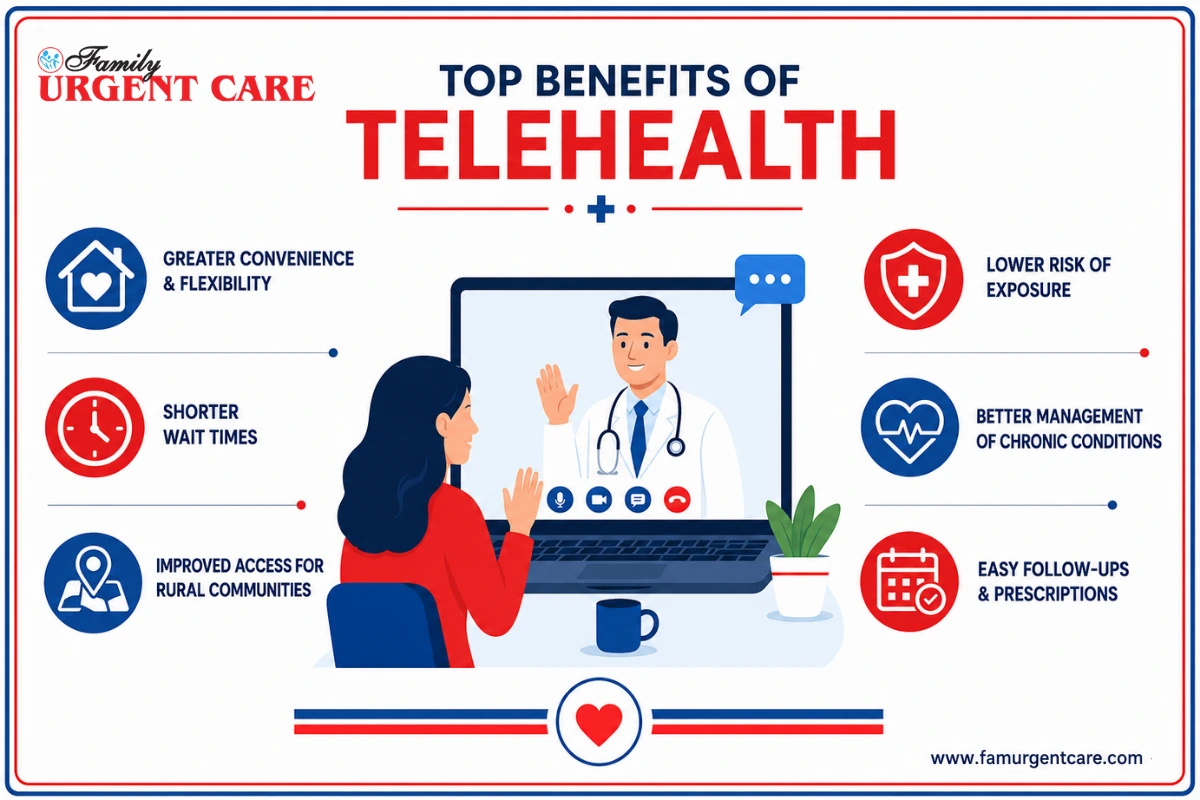
Telehealth has transformed the way people receive medical care by making healthcare services more convenient and accessible.
From reducing travel time to improving access for underserved communities, virtual care offers several advantages for both patients and healthcare providers.
Greater Convenience and Flexibility in Accessing Healthcare
One of the major benefits of telehealth is the convenience of receiving medical care without leaving home. With a televisit, you don’t have to drive to the doctor’s office or urgent care.
A virtual visit fits into your schedule, so you can interact with a healthcare provider from home, work, or while balancing family commitments.
Not only is telemedicine convenient, but it also simplifies the process of receiving continuous healthcare services for patients.
Patients can reach out to their providers using a mobile phone, tablet, or laptop to book follow-up appointments and request prescription refills.
This approach is especially beneficial for older adults and individuals with mobility challenges who may find traveling to a clinic difficult.
Improved Access for Rural and Underserved Communities
Long travel distances, inadequate healthcare facilities, and a lack of medical specialists frequently make it difficult for rural and underprivileged communities to get medical care.
Virtual visits can help address this issue by enabling patients to interact with doctors via telehealth, ensuring they receive prompt medical attention without any delays.
Expanded telehealth services can eliminate numerous barriers to accessing healthcare and improve health outcomes, giving patients peace of mind that medical help is available no matter where they live.
Shorter Wait Times for Medical Care
Long wait times can discourage people from seeking medical care, especially when they have busy schedules or need answers quickly.
Telehealth services help address this issue by allowing many patients to contact a healthcare professional much more quickly than waiting for an in-person appointment.
This quicker access to care can improve the entire patient experience, reduce stress, and encourage patients to seek medical help before a disease becomes more serious.
.The benefits of telehealth for providers include easier appointment management, improved scheduling efficiency, and better access to care for patients.
Lower Risk of Exposure to Contagious Illnesses
One of the most significant benefits of telehealth is the opportunity to access medical care without unnecessary exposure to contagious infections.
You may be exposed to more people with infectious diseases when you visit a healthcare facility, especially during flu season or respiratory virus outbreaks.
Virtual appointments allow patients to safely see a healthcare provider without sitting in a waiting room or other shared spaces.
This additional layer of protection is especially critical for older adults, people with weaker immune systems, pregnant women, and those with chronic medical conditions.
Telehealth helps limit unnecessary in-person visits. At the same time, patients can receive timely medical guidance while reducing their risk of exposure to contagious illnesses.
Better Management of Chronic Health Conditions
Managing a chronic health condition often requires consistent follow-up and ongoing communication with a healthcare professional.
Virtual care is especially beneficial for individuals living with conditions such as diabetes, high blood pressure, asthma, or heart disease, where routine monitoring plays an important role in long-term health.
Patients can discuss symptoms, review test results, address concerns, and receive guidance on lifestyle changes during scheduled virtual appointments.
The benefits of telehealth nursing include ongoing patient education and continuous support for chronic disease management.
Through virtual care, nurses can educate patients remotely and monitor their progress between appointments.
Conclusion
Telehealth continues to transform healthcare by making medical services more convenient, accessible, and flexible.
Whether it’s managing chronic conditions, reducing wait times, or improving access to care, virtual healthcare provides valuable benefits for both patients and providers.
Ready to experience the convenience of virtual care? Schedule a telehealth appointment with Family Urgent Care today and receive expert medical guidance from the comfort of your home.
FAQs
Is telehealth suitable for every type of medical condition?
No. Telehealth works well for many non-emergency concerns, follow-up visits, medication management and consultations. However, if you have serious injuries, life-threatening conditions, or need a physical exam right away, seek in-person care or go to the nearest emergency care facility.
Do I need any special equipment to use telehealth?
You just need a smartphone, tablet or computer with a stable internet connection, as well as a camera and microphone. Many healthcare providers also offer secure telehealth platforms that are easy to use and do not require advanced technical knowledge.
Can telehealth appointments include prescriptions?
Yes, if medically necessary. Once a healthcare provider has evaluated your situation, they may prescribe medications or suggest other tests if needed. Some medications may still require an in-person visit due to medical guidelines.
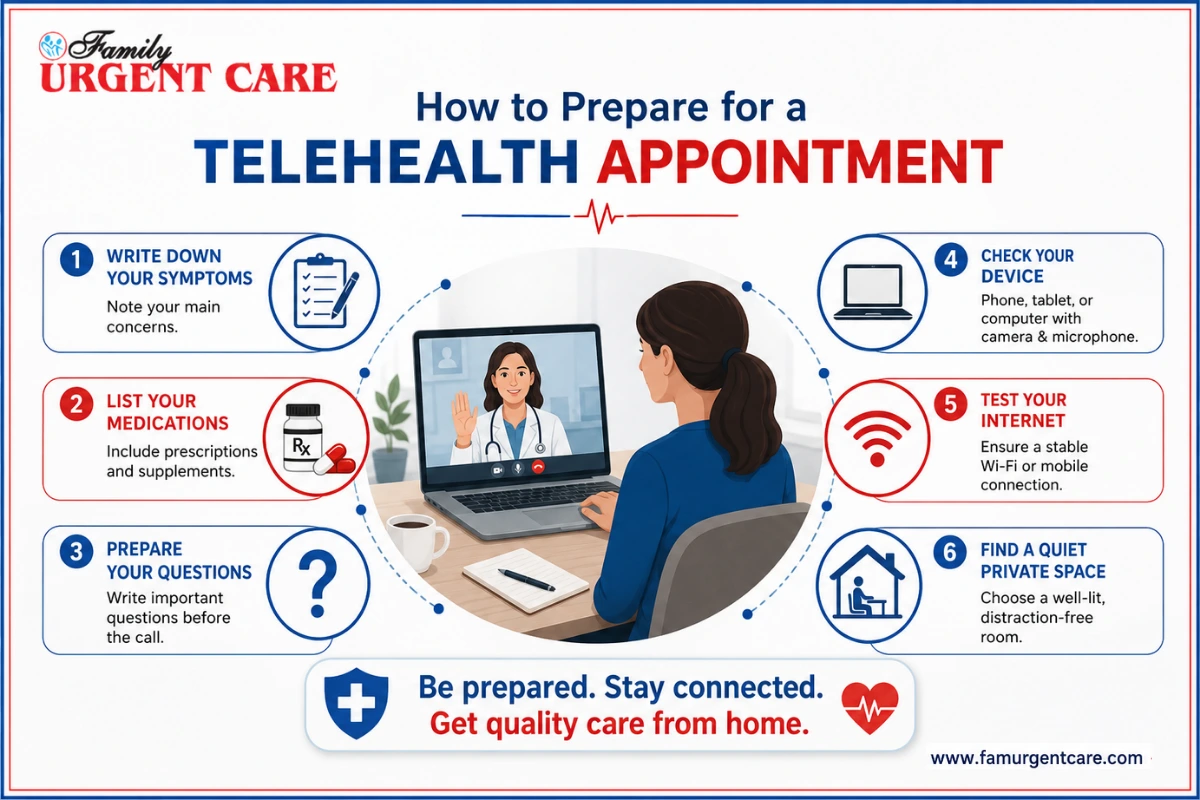
How can I prepare for a telehealth appointment?
Make a list of your symptoms, current medications, recent health changes and any questions you want to ask before your meeting. Choosing a quiet and comfortable location for your virtual visit can also help you communicate more effectively with your healthcare provider.
What should I do if my healthcare provider recommends an in-person visit after a telehealth consultation?
If your provider determines that a physical examination, imaging, or laboratory testing is necessary, it is important to make an in-person consultation as soon as possible. Telehealth is usually the initial step in evaluating a problem, but some conditions require a hands-on medical assessment for an accurate diagnosis and treatment.