
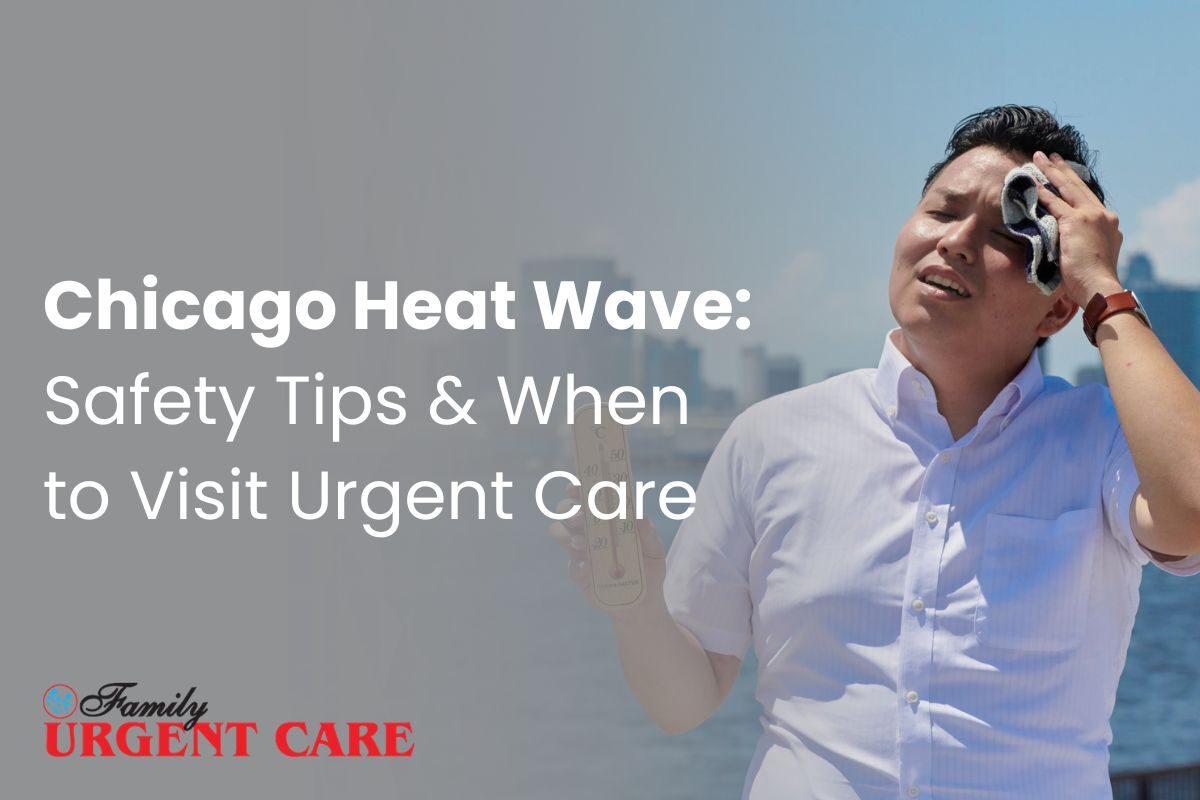
Do you feel a pounding headache, dizziness, and extreme exhaustion these days after spending time outdoors or commuting home?
You are not alone.
Chicago is once again experiencing a dangerous heat wave this summer, with temperatures climbing to 90°F and heat index values expected to reach 105°F or higher under an extreme heat warning.
Fortunately, this doesn’t happen quite often. But Chicago has learned the hard way from the previous incident that turned out to be extremely devastating in nature.
About three decades ago, the city experienced one of the deadliest weather disasters in U.S. history. During the 1995 Chicago heat wave, the soaring temperatures and high humidity didn’t give residents the slightest relief even at night. Nearly 739 people died in just 5 days at the mercy of nature.
While we have improved our warning systems and are better equipped to deal with emergency situations, heat-related illnesses are still a significant threat.
But you don’t have to worry at all.
In this guide, we will discuss practical ways to protect yourself from the Chicago heat wave, early warning signs to look for, and when to visit urgent care instead of waiting it out.
What Counts as a Heat Wave in Chicago?
A heat wave is more than just a hot summer day. It happens when unusually high temperatures last for 2 or more days, especially when the air is also very humid. High humidity makes it harder for your sweat to cool your body, so you can overheat much faster.
That’s why weather reports often mention the heat index, or the “feels-like” temperature. For example, even if it’s 92°F outside, it could feel like 102°F or more due to high humidity. The higher the heat index, the greater your risk of heat-related illnesses like dehydration, heat exhaustion, and heat stroke.
Common Heat-Related Illnesses to Watch for
Do you think all heat related illnesses are the same? Well, you are mistaken. Heat waves can affect you in various ways, causing mild discomfort to life threatening emergencies. However, you must know to differentiate between major and minor ones to take the right action.
Heat Rash
Heat rash is a skin condition caused by excessive heat and humid weather. It occurs when sweat gets trapped under the skin, causing red, itchy bumps and blisters in places like the groin, armpit, and elbow creases. It affects children and adults alike and usually improves when you move to a cooler place and keep your skin dry.
Heat Cramps
Heat cramps are painful muscle spasms that occur during or after working in a hot and humid environment. The muscles in the legs, arms, or abdomen are commonly affected. It happens due to excessive sweating, as the body loses too much water and electrolytes, which leads to muscles tightening. However, resting in a cool place and drinking fluids can help relieve the cramps.
Heat Exhaustion
Heat exhaustion happens when your body overheats due to prolonged exposure to hot and humid weather. You may experience heavy sweating, dizziness, weakness, headache, cool, moist skin with goosebumps and fast heartbeat while working or just staying out during high temperatures. If you neglect instant hydration support and cooling yourself down, it can quickly turn into heat stroke.
Heat Stroke (Medical Emergency)
Heat stroke is a severe heat-related illness that needs emergency care. It happens when the body’s temperature rises to 104°F (40°C) or higher. Other symptoms include confusion, nausea, fainting, seizures, and racing heart rate. At this point, the body fails to cool down on its own. If you see any of these warning signs in an individual during a heat wave, call 911 right away before it’s too late.
Early Warning Signs You Should Never Ignore
Health-related illnesses are often mild at first, but they get worse if left untreated. When heat starts to take a toll on you, watch for the early warning signs, which include.
- Excessive sweating
- Dizziness
- Muscle cramps
- Nausea
- Headache
- Confusion
- Fainting
How to Stay Safe During Extreme Heat in Chicago
When the temperature rises above normal, a few simple steps can help you prevent heat-related illnesses. Whether you spend time outdoors or stay at home, you can protect yourself from relentless heat through the following measures.
Stay Hydrated
Don’t wait until you’re thirsty to grab a drink. By then, your body may already be running low on fluids. Sip water frequently throughout the day, especially if you’re spending time outdoors. If you sweat a lot, go easy on alcohol and sugary drinks, as they can make dehydration worse.
Limit Outdoor Activities During Peak Heat
Planning a walk, workout, or yard work? Try to do it in the early morning or later in the evening when the sun isn’t at its strongest. If you have to be outside during the hottest part of the day, take frequent breaks somewhere cool and shaded.
Wear Lightweight Clothing
What you wear matters more than you might think. Loose-fitting, light-colored clothes made from breathable fabrics can help your body stay cooler. Don’t forget a wide-brimmed hat and sunscreen if you’ll be out in the sun.
Keep Your Home Cool
Your home should be a place to cool off. If you don’t have air conditioning, consider spending a few hours at a library, shopping mall, or cooling center during the hottest part of the day. Closing your blinds or curtains can also help keep indoor temperatures down.
Never Leave Children or Pets in a Parked Vehicle
A parked car can heat up much faster than most people realize, even if the windows are open. In just a few minutes, the temperature inside can become dangerously high. Always take children and pets with you when you leave the vehicle.
Check on Family Members and Neighbors
Extreme heat can be especially hard on older adults, young children, pregnant women, and people with ongoing health conditions. A quick phone call, text, or visit can help you keep tabs on them and make sure they’re staying cool, drinking enough water, and feeling well.
When Should You Visit Urgent Care for Heat-Related Illness?
While every heat-related illness isn’t serious, visiting an urgent care center is a safe option if your condition doesn’t improve with home care and you notice the following signs.
- Persistent dizziness and lightheadedness when you spend time working outside in the heat.
- Heavy sweating, weakness, and a racing heartbeat.
- Cool and clammy skin.
- Headache
- Nausea
- Feeling of fainting but not a complete loss of consciousness.
- Moderate dehydration, such as extreme thirst, dry mouth, dark-colored urine, or reduced urination
- Repeated vomiting that makes it difficult to keep fluids down.
- Painful muscle cramps that don’t get better after resting and drinking fluids.
At our walk-in clinic in Shererville, we provide prompt medical check-ups, symptom relief, and aftercare guidance to help you recover fast from the relentless heat effects.
Conclusion
The Chicago heat wave isn’t just uncomfortable, but severely drastic on your health if you are not careful. However, knowing the early signs of heat-related illness and taking early precautions like staying hydrated, limiting outdoor activities, and keeping yourself cool can help you prevent serious complications.
If your symptoms don’t get better with rest and fluids or simply get worse, it’s better to seek medical help immediately.
At Family Urgent Care, our experienced physicians provide same-day care from heat related illness to help you recover safely without long waits.
FAQs
1. How long did the Chicago heat wave last?
The Chicago heat wave in July 1995 was the most devastating event that lasted 5 days, with temperatures rising up to 100 °F. Due to extreme heat and humidity, about 739 people lost their lives over the course of 5 days.
2. When will the Chicago heat wave end?
The current Chicago heat wave is expected to end by Friday. Cooler air and thunderstorms are likely to move into the area, bringing the temperatures down from the 90s into the low 80s over the weekend. You can check the latest forecast from the National Weather Service or local weather stations for recent updates.
3. Did a heat wave kill 750 people in Chicago?
Yes. The 1995 heat wave in Chicago resulted in 739 heat-related deaths over five days. People remember it as the deadliest weather disaster in U.S. history. The event led to significant improvements in Chicago’s emergency response and heat safety planning.
4. How has climate change affected heat waves in Chicago?
Climate change has significantly impacted Chicago’s weather, making heat waves more frequent, intense and long lasting. Due to rise in temperatures and high humidity, people observe more hot days each summer that leads to various health risks.
5. How long does it take to recover from heat exhaustion?
People usually recover from heat exhaustion within 24 to 48 hours if they rehydrate, cool down, and take rest. However, you can get back to normal activity after a day or two. If your symptoms don’t improve within an hour and you feel confusion, high fever, and loss of consciousness, seek medical care right away.