
Day-by-Day Breakdown of COVID Symptoms 2026: Day 1 to 14
You might have just tested positive for COVID-19 and are experiencing flu-like symptoms. And now you’re probably wondering, Will my symptoms get worse before they get better, and what will be the worst days of COVID? As COVID continues to evolve with new variants, it’s more important than ever to understand the Covid Symptoms 2026 progression and act early before they escalate. At Family Urgent Care, we’ve treated hundreds of COVID-positive patients over the past few years. Although symptoms can vary in many individuals, we’ve seen a day-by-day pattern of symptoms in many cases. In this blog, you’ll find a simple, doctor-informed timeline of COVID symptoms day by day. You’ll also know when symptoms may peak, when you can end isolation, and when to seek medical care
Stages of COVID-19 Day by Day and Steps
Incubation Period of COVID-19 Variants
 The incubation period of COVID-19 begins when the virus enters your body and ends when the symptoms appear. During this time, the virus grows inside the body, replicates, and prepares to attack the immune system. Some COVID-19 strains have a shorter incubation period of 1-2 days, whereas others can last up to 14 days. Here’s a quick breakdown of the COVID variants and their incubation period
| COVID Strains | Incubation Period |
| Original COVID-19 | 5-6 days on average, but it can range from 2-14 days. |
| Delta Variant | 4 to 5 days on average, but some studies suggested a faster onset of symptoms. |
| Omicron Variant & Subvariants | 2–4 days on average (significantly shorter than previous variants) |
Day 1-2: Onset Of Mild Symptoms
On Days 1 and 2, symptoms are usually mild and may feel like a common cold. You may notice:
- Fatigue
- Throat irritation
- Low-grade fever
- Mild headache
- Stuffy or runny nose
You can still have COVID even without a fever, especially if you’ve been vaccinated or had COVID before.
Day 3: When Symptoms Begin to Settle In
By the third day, many people begin to clearly feel the effects of COVID-19. It’s common to experience a low to moderate fever, chills, and muscle aches, similar to what you might feel with the flu. Some patients also report a persistent headache, which can feel dull or pressure-like. If a dry cough hasn’t already started, it often makes its first appearance around this time. You may also notice an increase in fatigue, making even simple tasks feel exhausting. While symptoms can vary from person to person, day 3 often marks the beginning of the “acute phase” of the illness, when your immune system is working hard to fight the virus.
What to expect on day 3 of COVID
Expect your body to feel tired, your energy to dip, and symptoms to become more pronounced. Keep on monitoring your temperature, hydrate well, and rest as much as possible.
Day 4-5: Symptoms Are More Pronounced
At this stage, the symptoms may intensify for most people. You may experience more pronounced fatigue, dry cough, muscle ache, and loss of taste or smell. Other common symptoms during this phase include:
- Increased body aches or muscle soreness
- Continued fatigue
- Mild shortness of breath (especially after activity)
- Loss of appetite
- Mild nausea or digestive discomfort
What to expect on day 4 of COVID
Dr Asrar Sheikh, MD at Family Urgent Care, notes that during this phase, many patients feel more drained, and some experience a second wave of chills or body aches. Fatigue can be more intense than in previous days. Keep hydrating, resting, and monitoring your oxygen levels if you feel winded.
Day 6-7: The Second Wave Of Symptoms
This phase can vary from person to person. Some people start feeling better, whereas others may feel more intense symptoms. Some cases also report nausea and diarrhea on days 6 and 7. You might notice:
- Worsening fatigue
- Heavier cough
- Shortness of breath (mild to moderate in some people)
“This is when we often see symptoms either taper off or flare up,” says Dr. Asrar Sheikh. “Breathing issues can develop quickly, so it’s important to monitor oxygen levels.”
Oxygen levels consistently below 94% on a pulse oximeter require medical evaluation. If you’re feeling worse on day 7, especially with breathing trouble or chest tightness, don’t wait; it could signal a more serious turn.
Day 8-10: Symptoms May Peak In Some People
Some people may experience the following symptoms:
- High fever that persists or increases.
- Significant respiratory distress, such as shortness of breath or difficulty breathing.
- Persistent cough that may worsen
- Severe fatigue and muscle ache
When to Seek Medical Help
It’s crucial to monitor these symptoms closely. If you experience,
- Severe trouble breathing
- Chest pain or pressure
- Confusion or difficulty staying awake
- Bluish lips or face
Seek immediate medical attention. These may indicate serious complications like pneumonia or acute respiratory distress syndrome.
Day 11-14: Recovery Period or Escalation
Most people with mild to moderate symptoms start recovering around day 11, but fatigue or cough may linger. During this phase, Dr. Sheikh suggests monitoring your symptoms closely. For people who had mild to moderate symptoms, the CDC no longer recommends isolation after day 10, and you can resume your activities. However, fatigue or a mild cough may linger, but it is manageable. Some people may develop long COVID symptoms such as brain fog, breathlessness, and severe fatigue. On the other hand, severe or high-risk cases need close monitoring as they can escalate to pneumonia or lung inflammation. If your symptoms worsen, inform your healthcare provider immediately. You can also visit an urgent care in chicago to seek proper guidance or medical attention.
Recap Of Day By Day Symptoms Of The Latest COVID Variants
| Day by Day | What Happens (Symptoms) | Action to Take |
| Incubation period | No symptoms | No action unless symptoms |
| Day 1-2 | No symptoms or mild ones: sore throat, fatigue, congestion | Get tested for COVID if exposed or symptomatic, isolate, and hydrate yourself |
| Day 3 | Fever, body aches, fatigue, and cough may start | Use fever reducers (if advised). Continue to rest and isolate |
| Day 4-5 | Symptoms may fluctuate: some feel better, others experience fatigue, a persistent cough | Monitor your symptoms and oxygen levels if you feel breathless. |
| Day 6-7 | Symptoms worsen, fatigue deepens, cough, nasal congestion (in some people), and fever | Seek medical care if you have difficulty breathing |
| Day 8-10 | High fever in some people. The risk of respiratory distress or pneumonia increases | Monitor oxygen. Seek urgent care if chest tightness or difficulty breathing. |
| Day 11-14 | Most begin to recover. Fatigue and cough may linger. | Resume light activity if feeling better. Consult the provider if symptoms persist. |
How Covid Symptoms Have Changed in Recent Variants?
- Recent COVID variants tend to affect the upper airways more, so symptoms may feel more like a cold or flu that strikes suddenly
- Common symptoms often include sore throat, congestion, cough, fatigue, and fever
- Gastrointestinal symptoms can still happen, but are generally reported less often.
- Many infections are now milder, but severe illness can still occur in older adults, people with weakened immune systems, and those with underlying heart or lung conditions.
- Reinfections are still possible, and symptoms may vary based on immunity, vaccination history, and overall health.
When Should You End Your Isolation Period?
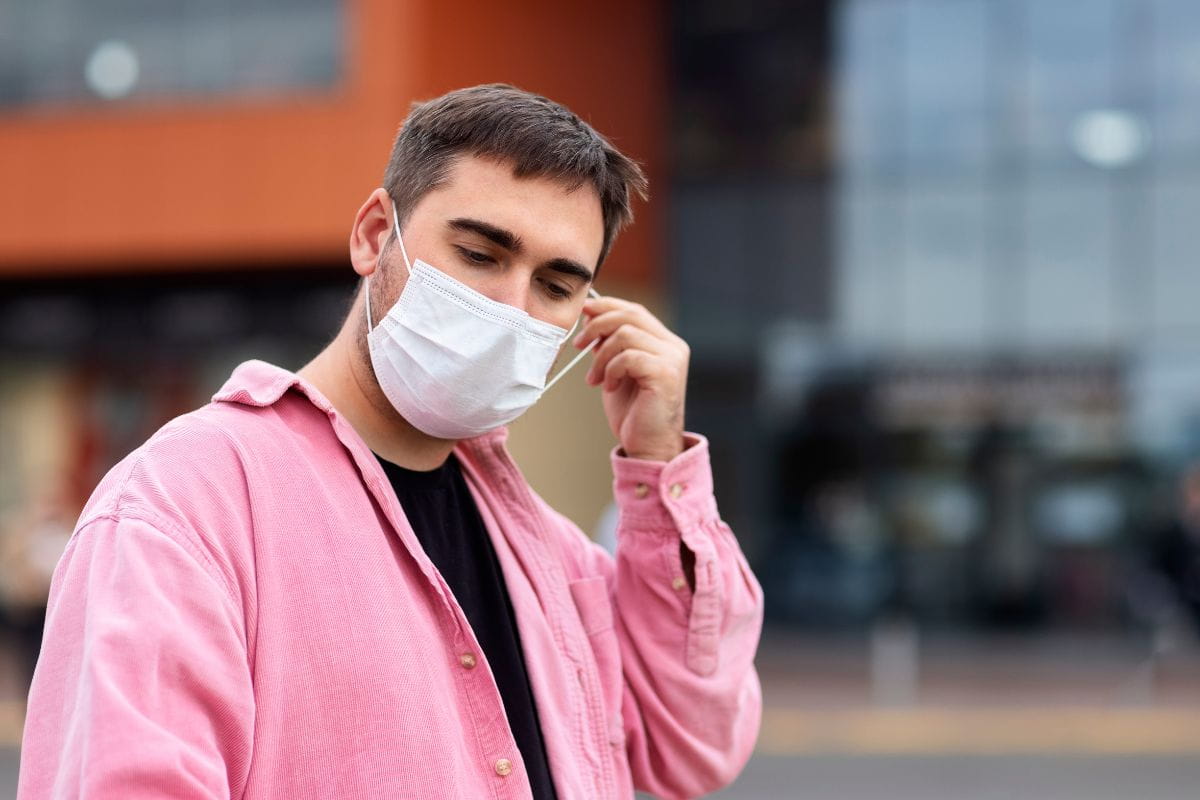 According to the CDC’s updated guidelines, you can end your stay-home period and return to normal activities when both of these apply:
- You’ve been fever-free for at least 24 hours (without fever-reducing medicine)
- Your symptoms are improving overall
Some people may still be contagious even after symptoms improve. That’s why the CDC also recommends taking extra precautions for the next 5 days. For instance
- Wear a well-fitting mask around others
- Wash or sanitize your hands regularly
- Limit close contact with older adults or immunocompromised people
If symptoms worsen, return, or you’re still feeling very unwell, it’s best to check in with a healthcare provider.
What Season Does COVID-19 Usually Peak?
COVID-19 follows a seasonal pattern, with activity often increasing during the winter months, particularly from December through January. However, unlike the flu, COVID can also spread significantly during the summer. Research has found consistent COVID-19 peaks in both late summer and winter in the U.S.
Recent trends show that summer activity is worth watching, too. As of August 2026, CDC data states that COVID is again on the rise in the South and West, and people might experience higher COVID activity in these regions during the summer. However, the overall trend is declining nationally, leading to fewer hospitalizations and deaths.
Takeaway
COVID symptoms generally progress through three stages: the incubation period, the acute phase, and the recovery phase. However, symptoms can overlap and change throughout the course of illness. Understanding these stages of COVID can help you make informed decisions about your health and know when to seek care. Dr. Sheikh always recommends that his patients monitor their symptoms at home and get checked if they do not feel better.
How Family Urgent Care Can Help?
If you’re dealing with COVID-19 symptoms, our team is here to help you get clear answers and safe next steps. Here is what you can expect from us.
- Fast COVID testing and evaluation
- Assessment of symptom severity and risk
- Guidance for safe home recovery
- Support to manage long COVID symptoms
- COVID vaccination guidance and access
- Online or video/phone appointments for easy access
If you live in Indiana or Illinois, you can even visit our urgent care clinic for timely care and recovery.
FAQ’s
1. Is COVID still circulating?
Yes, COVID-19 is still circulating in 2026. New variants like XFG and its related strains now make up most of the cases. However, they are less deadly than the early pandemic waves. Because the virus keeps changing, updated vaccines are released from time to time, similar to the flu shot.
2. How soon should I feel better with COVID?
Most people start feeling better within one to two weeks after their first symptoms appear, especially if symptoms were mild. Fatigue or a persistent cough can last longer, but overall improvement is usually noticeable within 7 to 11 days. Those with more severe illness may take several weeks to recover fully. See More: What To Know About Life After Recovering From COVID
3. What is the most common day to show COVID symptoms?
2026 COVID-19 symptoms usually appear around 3 to 5 days after exposure, though they can develop anytime between 2 and 14 days.
4. When are you no longer contagious with COVID-19?
You are generally no longer contagious after at least 5 days from when your symptoms began and once you’ve been fever-free for 24 hours without medication. However, some people can still spread the virus for up to 10 days, especially if symptoms persist.
5. Can COVID symptoms return after recovery?
Yes, COVID symptoms can sometimes return after you start feeling better. This is known as a COVID rebound and can happen naturally or after antiviral medication like Paxlovid. But you don’t have to worry, as these are usually mild and short-lived.
6. How long does covid 2026 last?
Most people recover from COVID in about 7–14 days. The main symptoms usually improve within a week, but tiredness or a mild cough can last a bit longer, around 3 to 4 weeks. In some cases, symptoms may linger for 3 months or longer, known as long COVID.
7. Do I need to test for COVID if I have mild symptoms?
Yes, it’s recommended to test even if you have mild symptoms like a sore throat, cough, fatigue, or congestion. COVID can look like a common cold, so testing helps confirm the infection and prevent spread to others.
8. When should I worry about long COVID?
You should be concerned if symptoms like fatigue, cough, brain fog, or breathlessness continue for more than 4–12 weeks after infection. If symptoms affect daily life, it’s important to consult a healthcare provider for evaluation and management.
9. What are the 3 new covid symptoms?
Newer COVID variants can still vary, but commonly reported symptoms include severe sore throat, nasal congestion, and unusual fatigue. Some people also notice headaches, mild fever, or body aches. Symptoms often resemble a cold or flu and may appear within a few days after exposure.
10. Can you have COVID with no symptoms?
Yes, you can have COVID without any symptoms. In fact, 20% of people infected with COVID had no symptoms, as per Cleveland. It is called an asymptomatic infection, where a person feels completely well but may still test positive and spread the virus to others.
11. What are the weird symptoms of the new COVID variant?
Some people report less typical symptoms such as brain fog, dizziness, sleep problems, heart palpitations, skin irritation, digestive issues (nausea or diarrhea), changes in smell or taste, unusual tiredness, or difficulty concentrating. These symptoms are not unique to COVID but can appear with more common respiratory symptoms.