
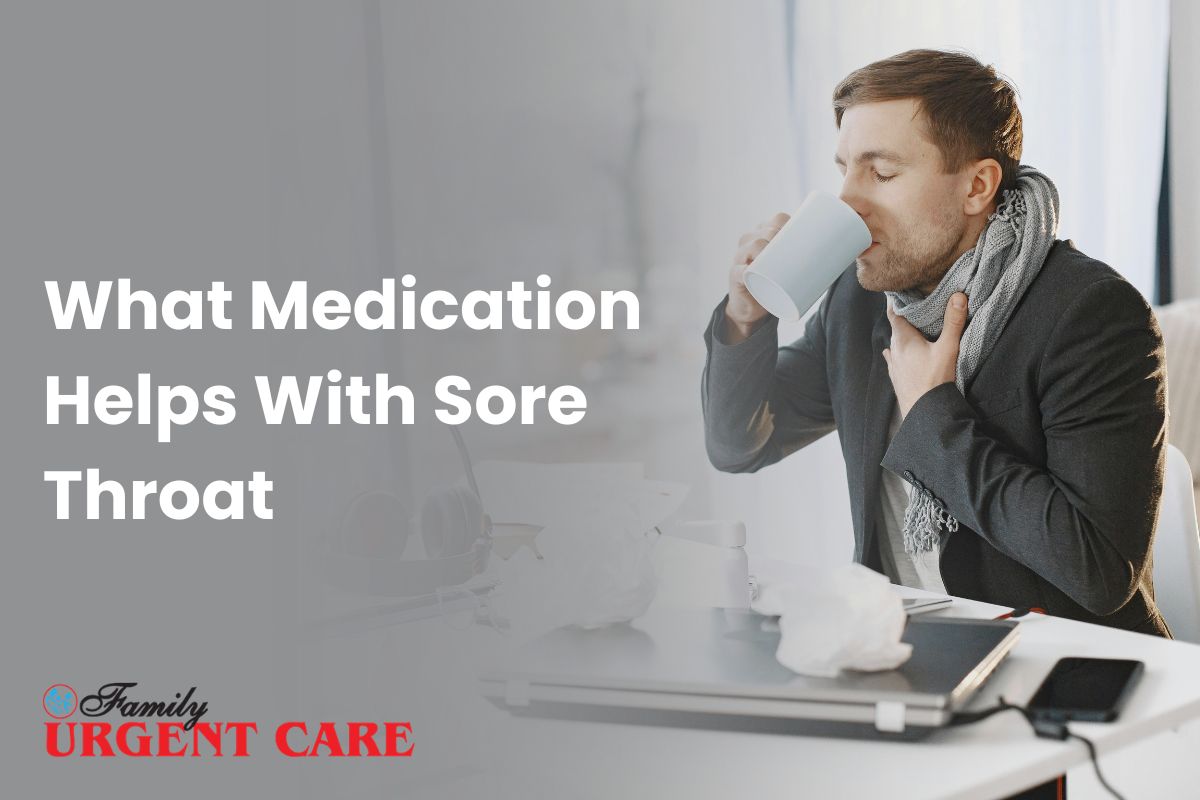
What Medicines Help a Sore Throat
Waking up with a scratchy throat often brings one immediate thought: What can I take for instant relief?
That mild irritation can quickly turn into pain when swallowing, talking, or even breathing through your mouth. A sore throat can happen for many reasons. It could be due to viral infection, bacterial infections, dry air, allergies, acid reflux, or environmental irritants.
As the cause isn’t always the same, the best medicine for a sore throat can differ too. Some focus on easing symptoms like pain and inflammation, while others target congestion, mucus, infection, or allergy-related irritation.
In this guide, we’ll break down different types of medicines to help a sore throat, including OTC pain relievers and prescription treatments. You will also learn when each option makes the most sense based on your symptoms.
Best Over-the-Counter Medicines for a Sore Throat
OTC medicines are often the first option people reach for when a sore throat starts to feel uncomfortable. They’re easily available without a prescription and can provide quick relief.
Pain Relievers
When you have a sore throat as a result of inflammation from the flu, cold, or irritation, pain relievers give you the fastest relief. While these medicines don’t treat the infection, they ease the discomfort with swallowing, talking, and resting in a short period. For instance,
- Acetaminophen (Tylenol) is often used for quick pain relief and to reduce fever. It starts working relatively fast and is generally gentle on the stomach, which makes it a common choice for many people.
- Ibuprofen (Advil): goes a step further because it not only reduces pain but also targets inflammation and swelling in the throat. This is why people often ask, “Can ibuprofen help sore throats?” In many cases, yes, especially when inflammation is a key driver of discomfort
- Naproxen (Aleve): works in a similar anti-inflammatory way to ibuprofen but tends to last longer, which can be helpful if symptoms keep returning throughout the day.
If we talk about the duration, acetaminophen and ibuprofen both start working within a few hours, while naproxen takes time to kick in but lasts longer. However, ibuprofen and naproxen, which come under the category of NSAIDs, work effectively for inflammation as compared to acetaminophen.
Note: People who have stomach ulcers, kidney issues, high blood pressure, or certain heart conditions should not take NSAIDs (ibuprofen and naproxen) before consulting with a healthcare professional.
Does DayQuil Help With a Sore Throat?
Yes. DayQuil is a pain reliever that can help with a sore throat, especially if it comes with cold or flu symptoms. It contains acetaminophen, which helps reduce pain and fever, making swallowing and talking a bit easier.
While it doesn’t directly treat the inflammation, you can get temporary relief from symptoms during the day. Also, it doesn’t cause drowsiness, so you can go about your routine without any disruptions. Just make sure not to take it with other medicines that also have acetaminophen to avoid overdose.
Does NyQuil Help With a Sore Throat?
Yes, NyQuil helps ease a sore throat, especially when it keeps you from falling asleep. It mainly helps by calming coughs through an active ingredient “dextromethorphan” (cough suppressant), giving already irritated throat tissues a rest.
It also contains acetaminophen, which helps reduce pain and fever, so you have no trouble falling asleep.
Another important ingredient in Nyquil is doxylamine, a sedating antihistamine that dries up your nose and causes drowsiness, which is why it’s mainly used at night.
It doesn’t directly treat the sore throat, but it does reduce the discomfort so you can rest properly and recover faster.
Throat Lozenges
When your throat feels scratchy or raw, lozenges can offer a small but noticeable layer of comfort by coating, cooling, or lightly numbing the irritated area as they dissolve slowly in the mouth. Some examples include.
- Menthol lozenges
- Benzocaine lozenges
- Pectin-based lozenges
| Type | Best for | Relief Duration |
| Menthol | Cooling irritation | Short |
| Benzocaine | Strong pain relief | Moderate |
| Pectin | Dry throat | Mild |
Note: Lozenges generally provide short-term relief that usually lasts around 30 minutes to an hour, depending on the type of infection and its severity. They are usually designed to provide temporary comfort from that dry, scratchy feeling when you need to keep your throat moist while talking.
Do Throat Sprays Really Work?
Yes. Throat sprays can offer fast but temporary relief by delivering medicine directly to the irritated area, which makes them feel more targeted than tablets or syrups. Common options include Phenol sprays and Benzocaine sprays, both of which numb throat tissue within minutes to ease swallowing discomfort. The effect is short-lived, so they’re best used for temporary comfort before meals, sleep, or long conversations.
Prescription Medicines
Prescription medicines are usually only needed when the sore throat is caused by a confirmed bacterial infection.
When Antibiotics Help a Sore Throat?
Most sore throats are caused by viral infections like the cold or flu that improve on their own, with rest, fluids, or relieving symptoms with OTC options.
However, bacterial sore throats, commonly known as strep throat, are different. They have a sudden onset of symptoms like high fever, swollen tonsils, no cough, and white patches in the throat. These infections usually get better with antibiotics that your doctors prescribe when strep throat is confirmed after proper evaluation. Some common antibiotics include.
- Penicillin
- Amoxicillin
- Clarithromycin
- Cephalexin
They help clear the infection, ease symptoms faster, and reduce the risk of complications.
Note: It’s important to finish the full prescribed course, even if you start feeling better early. Stopping midway can leave bacteria behind and lead to reinfection. Overuse or misuse of antibiotics can also contribute to antibiotic resistance, making future infections harder to treat.
Antihistamines
Antihistamines are OTC medicines, but some of them also come in prescription form. They help relieve sore throats that are caused by allergies instead of infection. These medicines usually work by blocking histamines (a chemical that causes allergic reactions) and soothing allergy-related symptoms, including throat irritation. Common examples include.
- Benadryl (diphenhydramine)
- Claritin (loratadine)
- Zyrtec (cetirizine).
Natural Remedies That Can Work Alongside Medicine
While it’s difficult to treat serious infections without medicines, certain natural remedies work quite effectively to ease discomfort while keeping your throat hydrated. Some of them include.
- A spoonful of honey
- Salt water gargles
- Sipping warm tea, fluids, and broths
- Humidifiers and steam inhalation for added moisture.
Conclusion
A sore throat can be draining at times, but the right medicine can help you get relief fast. However, understanding the cause is really important in finding the most suitable sore throat treatment. Most symptoms improve with over-the-counter pain relievers if the discomfort comes from a viral infection, allergies, or irritants. However, you should seek medical help if the symptoms last longer than expected, as it points to a bacterial infection.
If your sore throat gets severe or doesn’t seem to improve, visit your nearest Family Urgent Care clinic for a timely check-up and care. We have seasoned physicians at our walk-in clinic in Rogers Park and Schereville who prescribe you the best medicines for sore throat relief.
FAQs
1. What medicines work best for a sore throat?
Medicines that are effective for sore throat include pain relievers like Ibuprofen or acetaminophen, lozenges, throat sprays, antihistamines, and syrups. However, what will suit you best depends on the cause. If the soreness is due to a cold or the flu, using the options that relieve multiple symptoms at once will help you recover faster.
2. Can Benadryl help with a sore throat?
Yes, Benadryl can help soothe the sore throat if allergies or postnasal drip are the cause, but it doesn’t directly treat throat pain. It generally reduces inflammation and mucus production by blocking histamine release. The medicine is often useful when symptoms feel worse at night, as it may cause drowsiness that helps with peaceful sleep.
3. Does Mucinex help with a sore throat?
Yes, Mucinex can help with a sore throat as it has an active ingredient, “guaifenesin,” that works by thinning and loosening the mucus so it gets easier to clear. This reduces that scratchy, dry feeling and constant irritation in the throat that occurs due to postnasal drip. However, it doesn’t directly target pain and inflammation in your throat.
4. Can Advil help a sore throat?
Yes, Advil (Ibuprofen) can help with a sore throat by reducing both pain and inflammation in the throat. It is especially useful when your throat gets swollen due to a cold or the flu. While it doesn’t treat the infection itself, it helps ease the discomfort you feel while swallowing and talking.